· Por Equipo Pindoor
The Naval Battle of Valparaíso, 1814: Where to Relive It
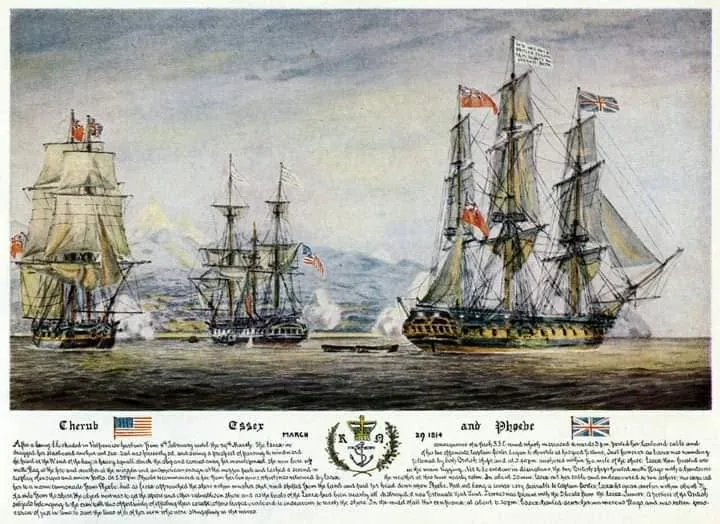
On March 28, 1814, off the coast of Valparaíso Bay, the U.S. frigate Essex engaged two British ships in a battle that the people of Valparaíso watched from the shore. Discover this story and the places in the city from which you can still gaze out at the same sea.
Valparaíso looks best from above, and that was the view the people of Valparaíso had on March 28, 1814. That afternoon, in the bay you now explore between the funiculars and hills, one of the most surprising naval battles in the city’s history took place. Whether you love history, the sea, or simply a great view, this guide tells you what happened and where you can get a closer look at that past.
What Happened on March 28, 1814
To understand it, you have to look beyond Chile. In 1814, the War of 1812 was raging between the United States and Great Britain, and the American frigate Essex, commanded by Captain David Porter, had been attacking British whaling ships in the Pacific for months. In January of that year, it arrived in Valparaíso, a neutral port where it could resupply.
On February 8, the British frigate Phoebe, commanded by Captain James Hillyar, and the sloop Cherub appeared. For about six weeks, the rival ships shared the bay in a tense standoff, until Porter decided to force his way out.
On March 28, a gust of wind tore the upper mainmast from the Essex, which was left battered and took refuge a short distance from the coast. There, it was engaged. Its cannons had a short range, while the British fought from a distance with long-range cannons, so for more than two hours the Essex could barely return fire. Many sailors jumped into the water to swim to shore. Finally, Porter surrendered. Fifty-eight American sailors died.
A detail that travelers often find interesting: among the young crew members of the Essex was a midshipman barely 12 years old, David Farragut, who decades later would become the first admiral of the U.S. Navy.
A City Turned into a Theater
The battle took place inside the bay, opposite the Barón and Placeres hills. Valparaíso was then a small port, and the locals watched the battle from the shore and the hills. Today, that same natural amphitheater remains the city’s most distinctive feature: hills that slope down to the sea and a bay that can be taken in at a glance.
There is also a Chilean curiosity. Captain Hillyar, the victor, later played a mediating role in the 1814 Treaty of Lircay, so his name appears in two chapters of Chilean history.
A Name That Spanned the Continent
The name Valparaíso reached as far as the heart of the United States. In the state of Indiana, there is a city called Valparaiso, the county seat of Porter County, named in honor of David Porter. It was founded in 1836 as Portersville and in 1837 changed its name to that of the Chilean port where Porter had fought. According to a local chronicle from 1936, the idea came from a group of sailors who passed through the town.
Where to commemorate it today in Valparaíso
Cemetery of Dissidents. It is located on Panteón Hill, across from Cemetery No. 1 and next to the Valparaíso Cultural Park. It was established to bury non-Catholic foreigners and is now a Historic Monument. Inside, there is a monument in memory of the sailors of the Essex. According to press reports, crews of U.S. ships arriving at the port often visit the site, and on the bicentennial of the battle, the ambassadors of the United States and the United Kingdom were in attendance. A tour of the cemetery is a journey in itself: headstones in various languages, mausoleums, and symbols representing many communities.
National Maritime Museum. It is located on Artillería Hill, on Paseo 21 de Mayo, inside the building of the former Naval Academy. It is the best place to understand Chile’s naval history: scale models, uniforms, navigational instruments, and cannons adorn its entrance.
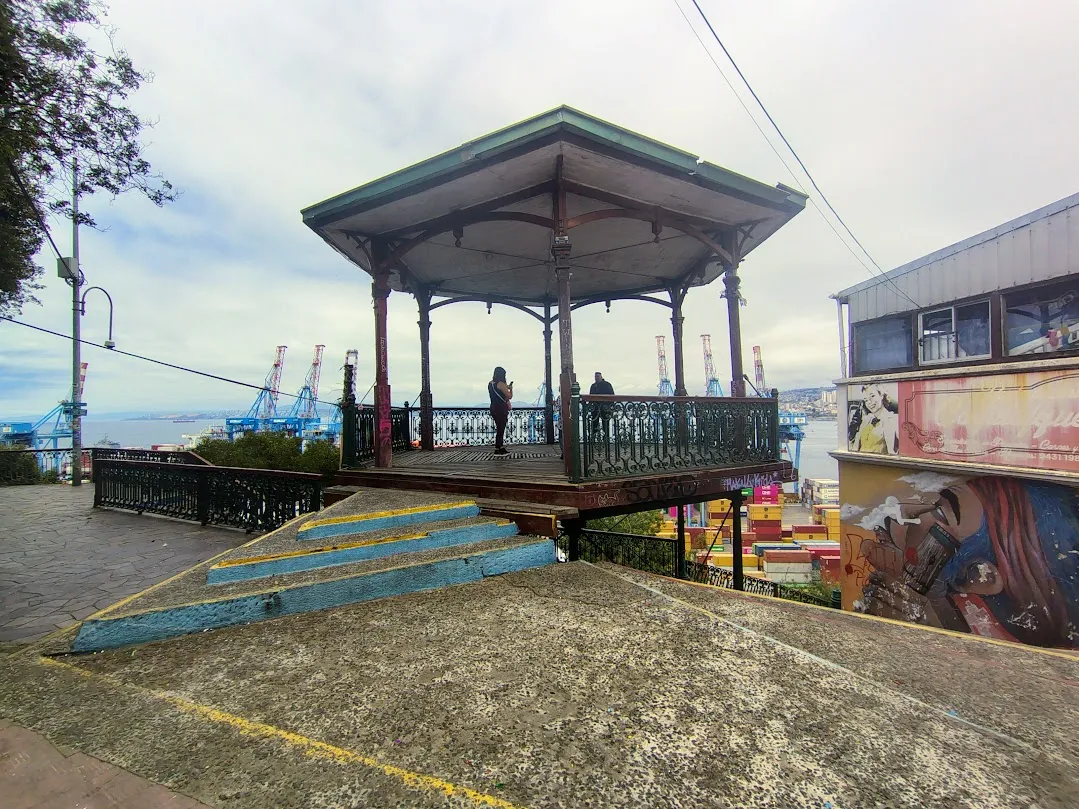
Paseo 21 de Mayo. It is a natural lookout point offering a panoramic view of the entire bay. It is not the site of the battle, which took place in another area, across from Barón and Placeres streets, but it helps put the scene into perspective: the bay, enclosed by the hills, explains why so many residents of Valparaíso were able to see what was happening.
How to Get There
The easiest way is to head up to the National Maritime Museum via Artielleria Street, near the port. You can also walk there along Paseo 21 de Mayo. The Cemetery of Dissidents is located on Panteón Hill, across from Cemetery No. 1. Before visiting either one, check the current hours and admission fees, as they may vary depending on the season.
A plan for a leisurely visit
Spend one morning at the museum and on the Paseo 21 de Mayo, and save another visit for the Cementerio de Disidentes. Wear comfortable shoes, because in Valparaíso, almost everything involves an uphill walk or a flight of stairs.
Frequently asked questions
Can you see the exact spot where the battle took place?
Inside Valparaíso Bay, across from the Barón and Placeres hills, a short distance from the coast. There isn't a single spot to visit; the scenery is the sea itself.
Is there a place that commemorates the sailors of the Essex?
Yes, a monument at the Dissidents' Cemetery on Panteón Hill.
How do I get to the National Maritime Museum?
Walking up Artillería Street, near Plaza Aduana, or strolling along Paseo 21 de Mayo on Artillería Hill.
Is there another city named Valparaíso because of this battle?
Yes, Valparaiso, in Indiana (United States), which adopted that name in 1837 after the Chilean port where David Porter fought.
📍 Places recommended by Pindoor for this route
Have a business in Valparaíso? List it for free on Pindoor.cl and appear in our guides.
Register my venue →📚 You might also like
Guide to the Valparaíso Waterfront: From Caleta El Membrillo to Caleta Portales
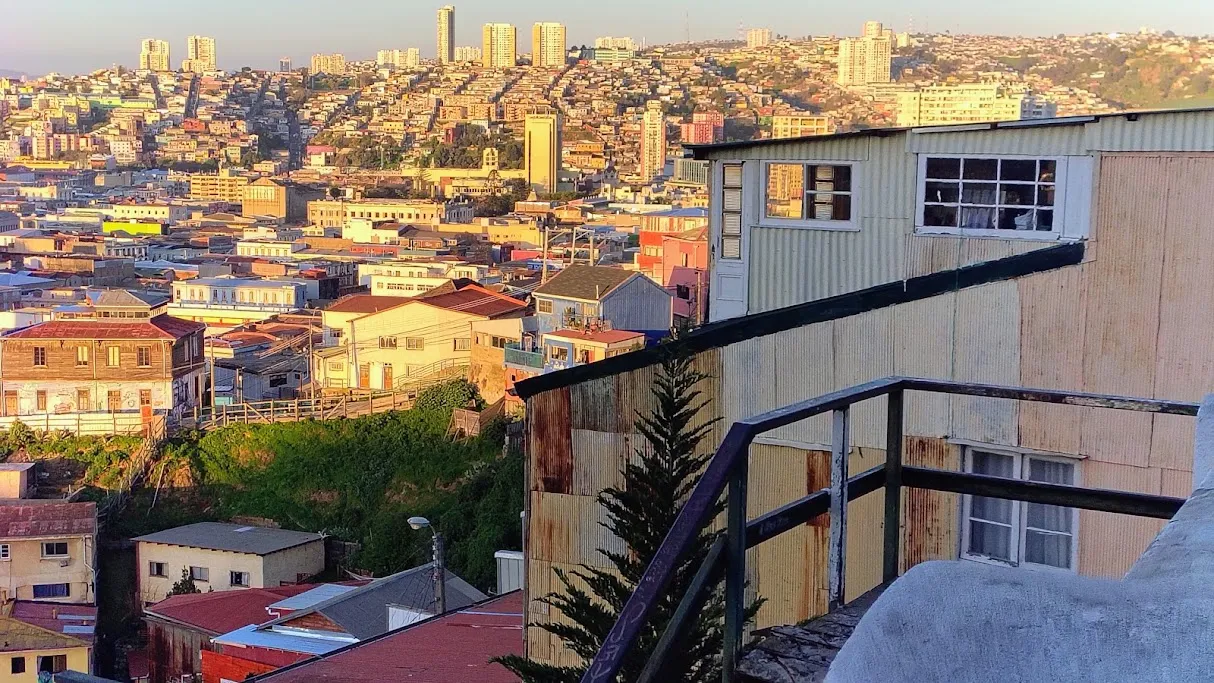
The Best Viewpoints in Valparaíso: Where to Take the Best Photos of the Port
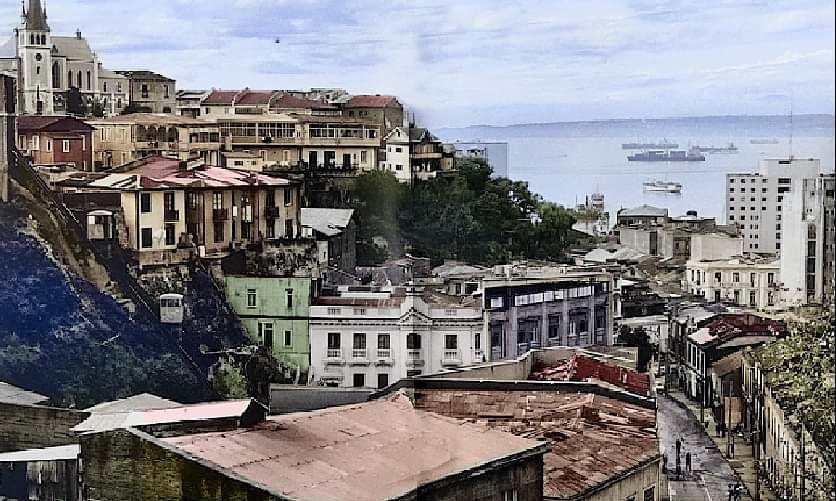
Valparaíso Elevators: A Guide to the 7 Operating Funiculars | Pindoor
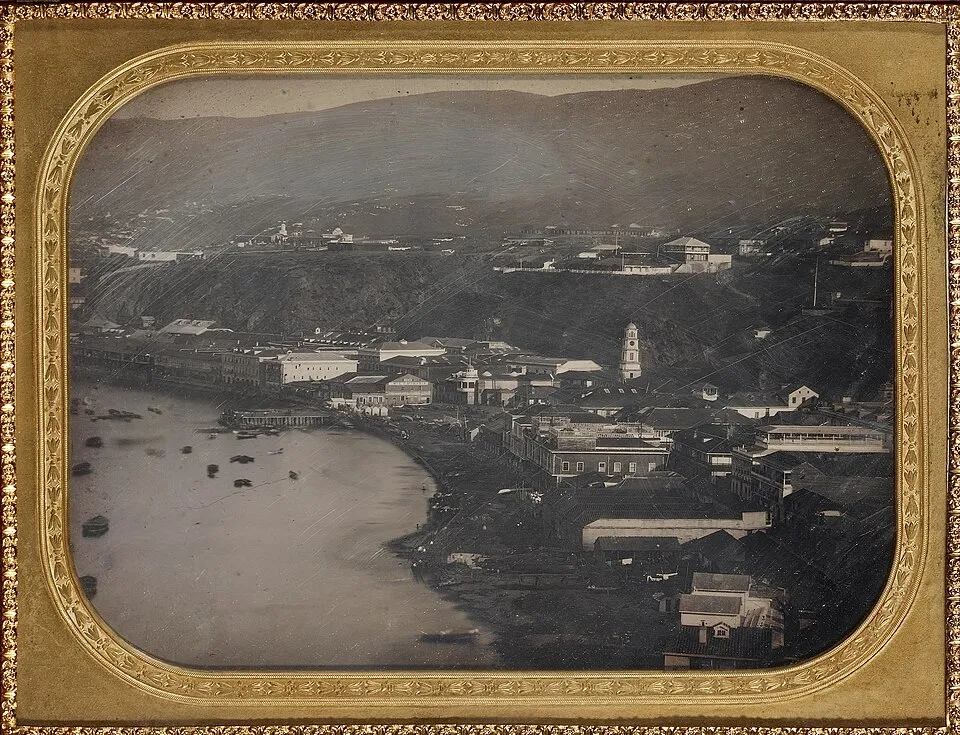
Valparaíso in the History of Photography: From Daguerreotypes to Sergio Larraín