· Por Equipo Pindoor
Valparaíso Elevators: A Guide to the 7 Operating Funiculars | Pindoor
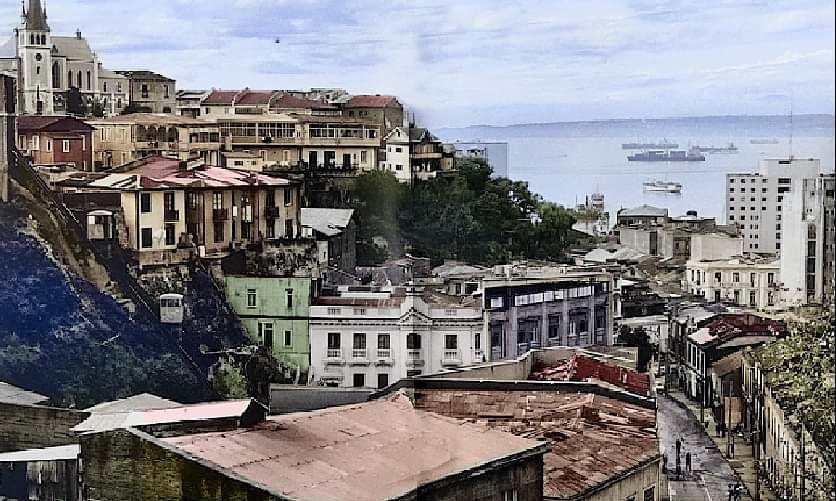
Valparaíso’s elevators are a living heritage transportation system that has connected the city center with the hills since the 19th century. With fares of 200 pesos for locals, 300 pesos in Concepción, and 1,000 pesos for foreigners, there are currently seven elevators in operation: Concepción (Paseo Gervasoni), Reina Victoria (Paseo Dimalow), El Peral (Paseo Yugoslavo), Cordillera, San Agustín, Espíritu Santo (Open-Air Museum), and Barón. This century-old infrastructure is vital to daily life in the city.
To understand Valparaíso, you don’t have to look at its streets; you have to understand its verticality. With more than forty hills dropping steeply toward the Pacific Ocean, the city had to invent a revolutionary way to connect its residents to the “Plan.” Thus, in the late 19th century, its iconic elevators (funiculars) were born—imposing engineering marvels made of wood and cast iron that defied gravity.
But what makes Valparaíso’s funicular system truly unique in the world is not just its age or its aesthetic value; it is its remarkable resilience in the face of time. While in other major cities around the world, historic funiculars have survived only as static tourist attractions, museum pieces, or weekend luxuries, in Valparaíso they continue to operate with the same vigor as on the very first day.
These century-old structures continue to fulfill, with absolute relevance, the very purpose for which they were created: to transport the community. Every morning and every afternoon, the creaking of their cables and wood is not a show staged for visitors; it is the sound of the neighbor heading down to buy bread, the student rushing to college, and the worker returning home to the hillside. Riding a funicular in Valparaíso isn’t just sightseeing; it’s actively becoming part of a living heritage transportation system—a daily miracle of social engineering that refuses to fade away.
Fares and Practical Information
- General fare: 200 CLP (except for the Concepción Elevator).
- Concepción Elevator fare: 300 CLP.
- Fare for foreign tourists: 1,000 CLP.
- Elevators currently in operation: Barón, Espíritu Santo, Reina Victoria, Concepción, El Peral, San Agustín, and Cordillera.
Concepción Funicular
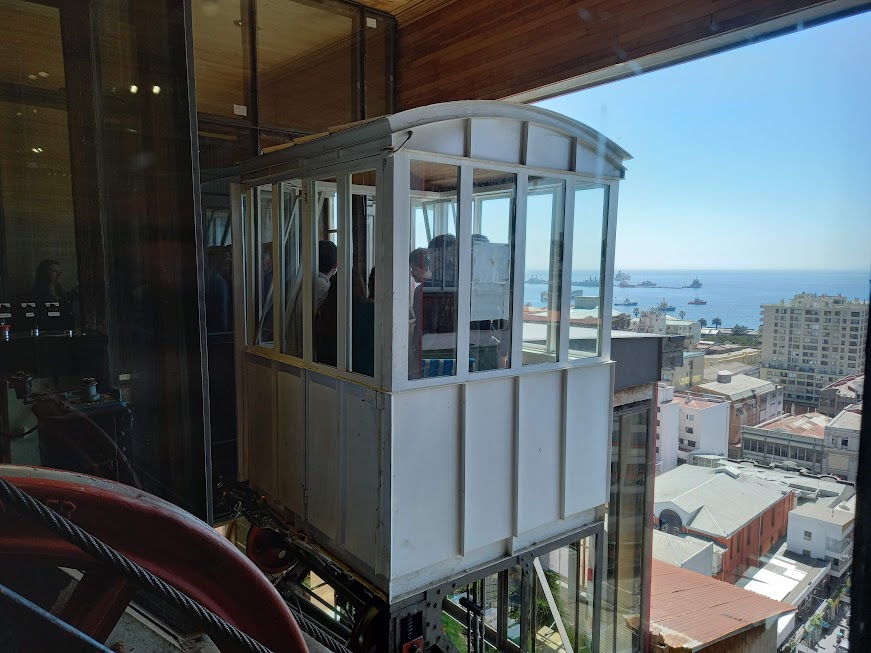
The Concepción Funicular is a living legend of the port, as it was the first funicular to open in Valparaíso, back in 1883. Its iconic, creaking wooden cars defy the slope of Cerro Concepción, transporting travelers from the hustle and bustle of the city below directly to Paseo Gervasoni, one of the city’s most romantic viewpoints. The ride offers a magical transition from the commercial hustle and bustle to the tranquility of pedestrian passages lined with British-influenced architecture and specialty coffee shops.
- How to get there: Its lower station is located on Prat Street (across from Pasaje Fischer), just steps from Plaza Aníbal Pinto and the financial district. The upper station drops you off directly at Paseo Gervasoni.
Reina Victoria Elevator
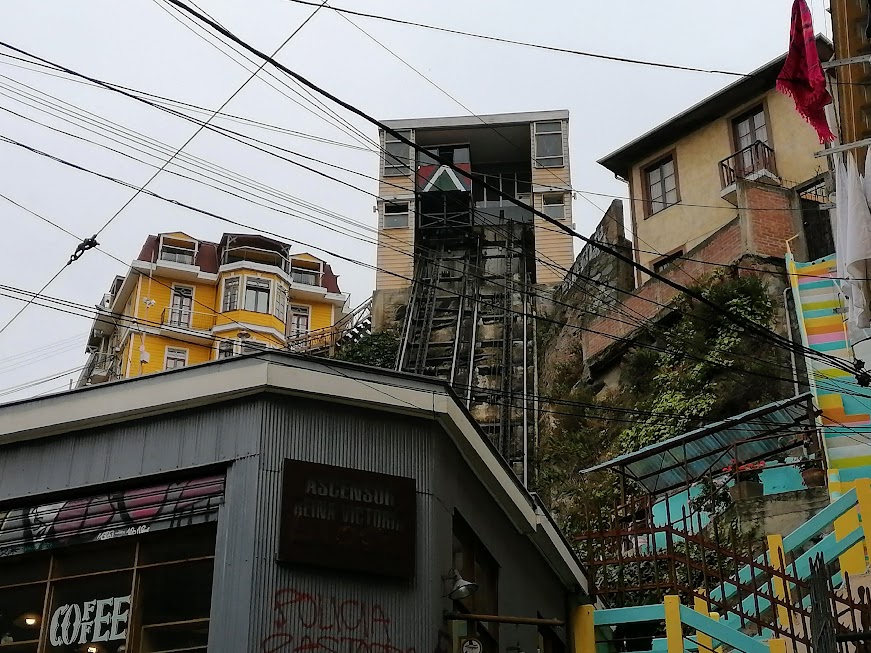
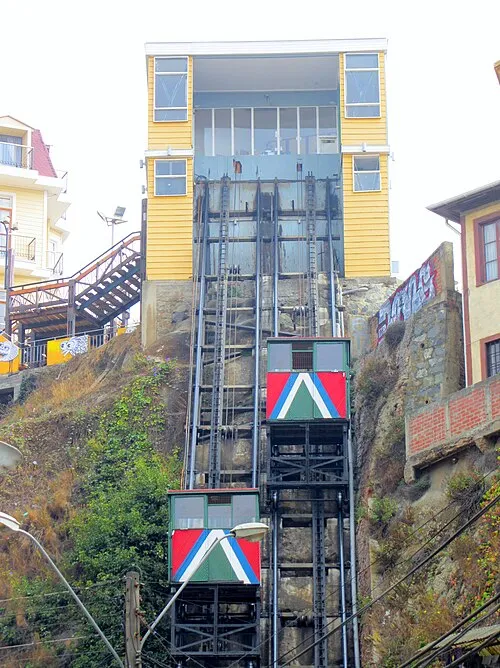
Opened in 1902, the Reina Victoria Elevator stands out for having one of the shortest yet steepest routes in the network. As you ride up, the views of the bay suddenly open up in spectacular fashion. This elevator is the preferred gateway to the city’s bohemian and design scenes, as upon exiting its upper station, you’ll find yourself on the vibrant Paseo Dimalow—an area famous for its elevated walkways, boutique hotels, and colorful, large-scale murals.
- How to get there: The lower entrance is on Elías Street, which you reach by walking up Cumming Street, across from Plaza Aníbal Pinto. Upon reaching the top, you emerge directly onto the wooden walkways of Paseo Dimalow.
El Peral Elevator
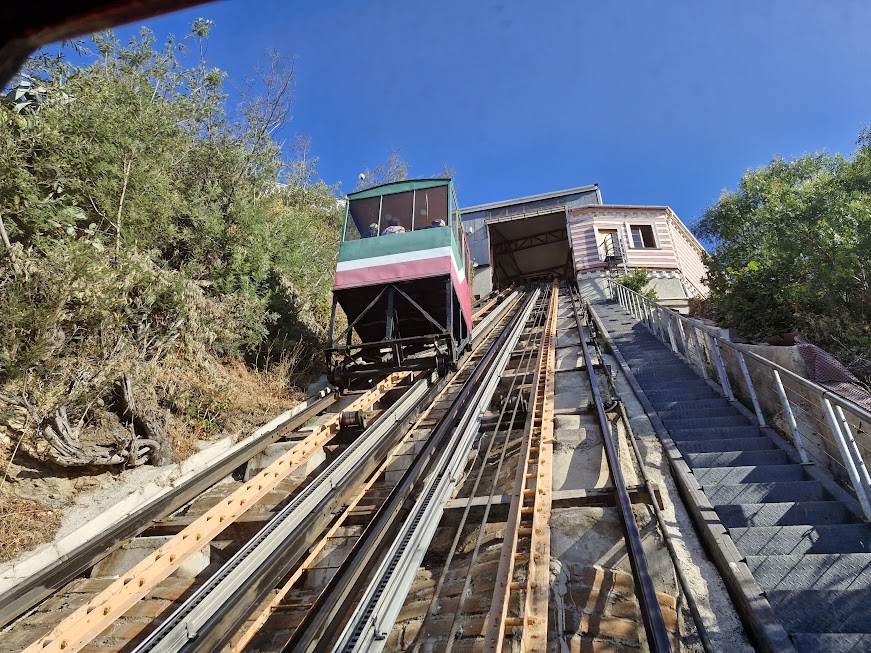
The El Peral Elevator is the quintessential heritage link between the civic center and the most stately part of the hills. Built in 1902, its cars connect the courthouse to the majestic Paseo Yugoslavo on Cerro Alegre. It’s a must-see for art lovers, as the upper station drops you right at the doorstep of the Baburizza Palace, home to the Municipal Museum of Fine Arts, surrounded by stunning eclectic architecture.
- How to get there: The lower entrance is located in Plaza de la Justicia, right next to the courthouse building in Plaza Sotomayor. The upper station drops you off directly on the esplanade of Paseo Yugoslavo.
Cordillera Elevator
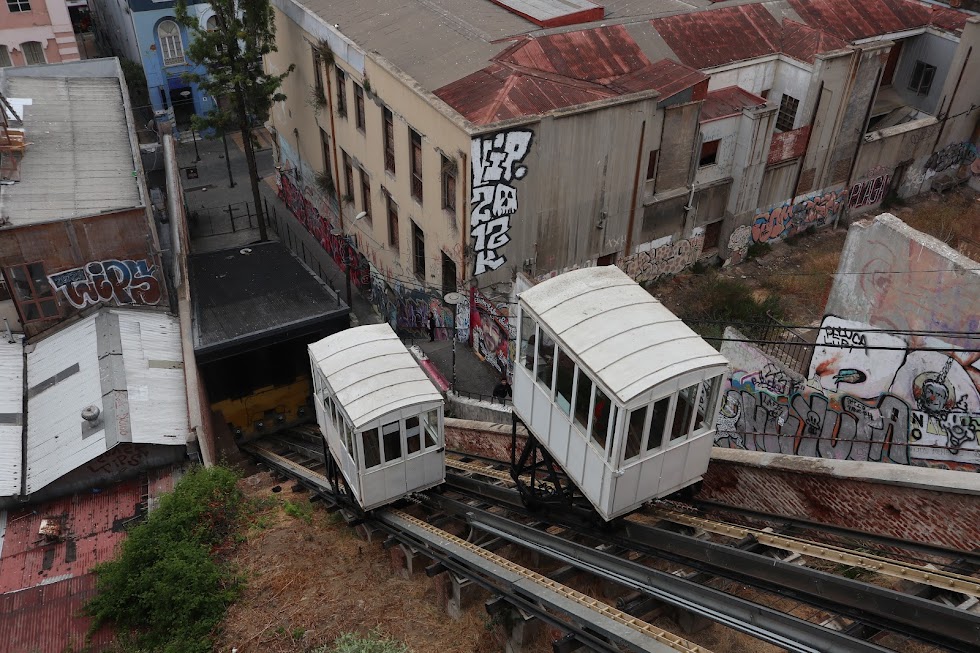
Located in the historic Barrio Puerto neighborhood, the Cordillera Elevator holds the distinction of being the city’s second-oldest, having been in operation since 1886. This funicular is key to experiencing the authentic, residential side of Valparaíso, away from the more commercial areas. As you ascend, it takes you to the hill of the same name and drops you off just steps from the historic Plaza Eleuterio Ramírez, offering a very rustic, authentic, and community-oriented perspective on the life of the people of Valparaíso up on the hill.
- How to get there: Access from the lower part is via Serrano Street, one of the main thoroughfares of the historic Barrio Puerto. The upper station connects to Castillo Street on Cerro Cordillera.
San Agustín Elevator
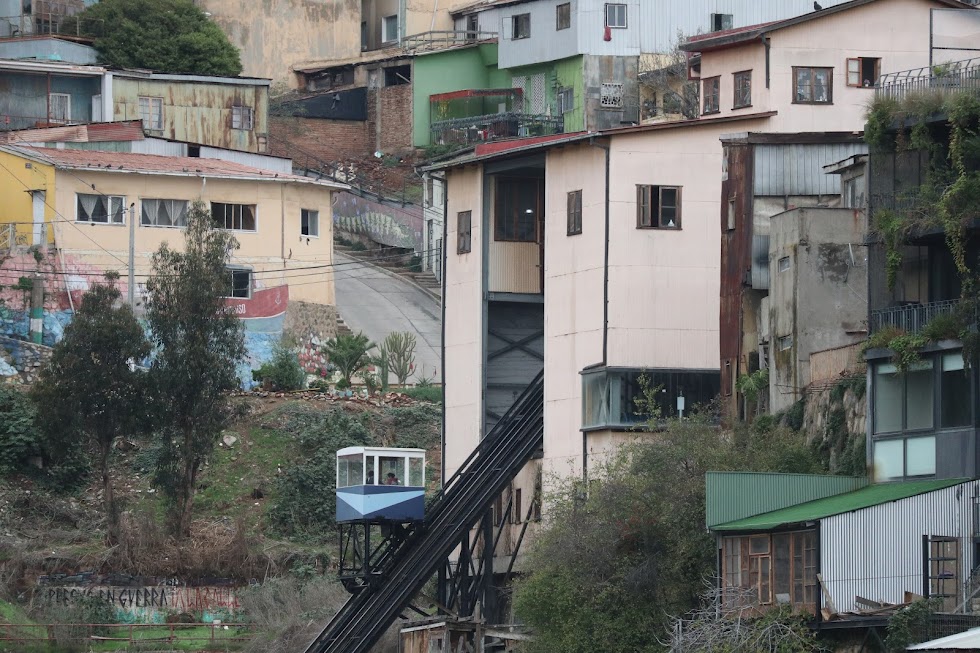
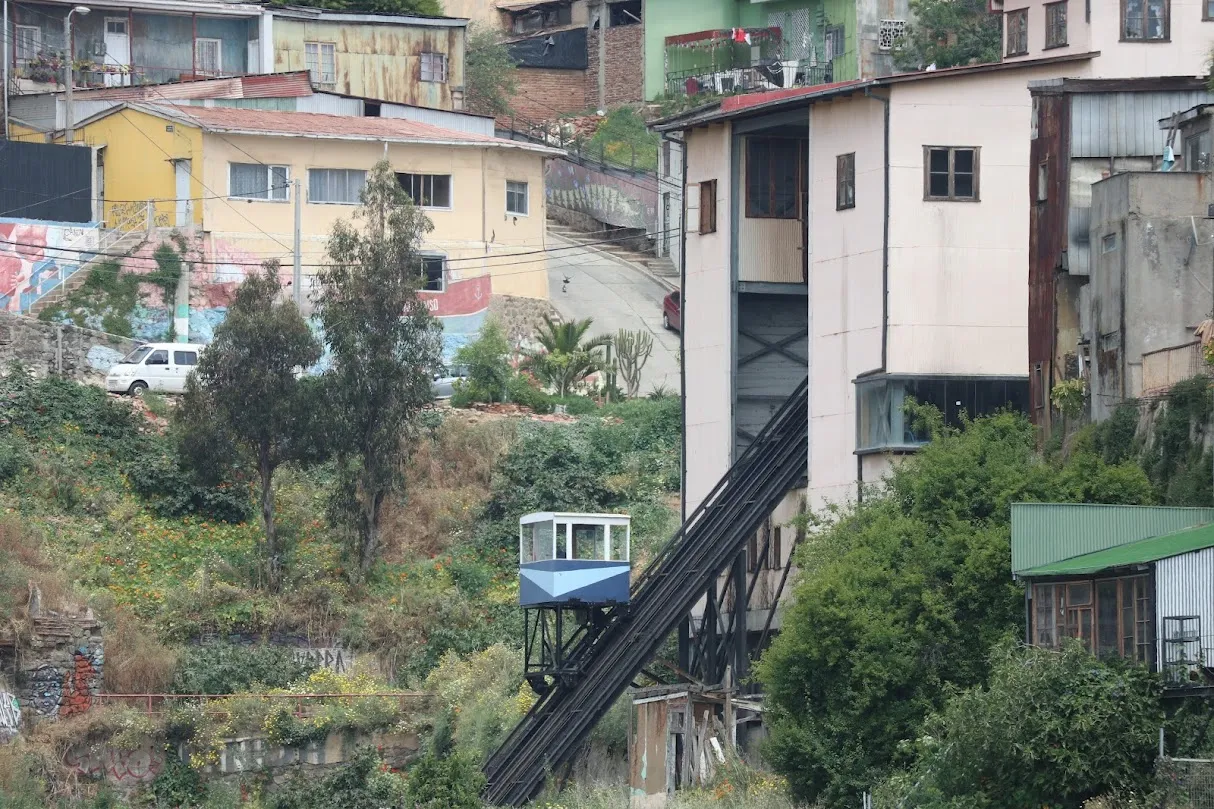
The San Agustín Elevator, inaugurated in 1913, is an engineering gem hidden in the folds of Cerro Cordillera. Unlike other tourist-oriented funiculars, this elevator plays a vital social and community role, connecting the port area with a residential neighborhood characterized by very complex topography. The ride is short but offers a direct immersion into the daily lives of local residents and the city’s urban resilience.
- How to get there: The lower station is located on Tomás Ramos Street, a short distance from Plaza Sotomayor. The upper exit drops you off on Encuentro Street, taking you into the Cerro Cordillera neighborhood.
Espíritu Santo Elevator
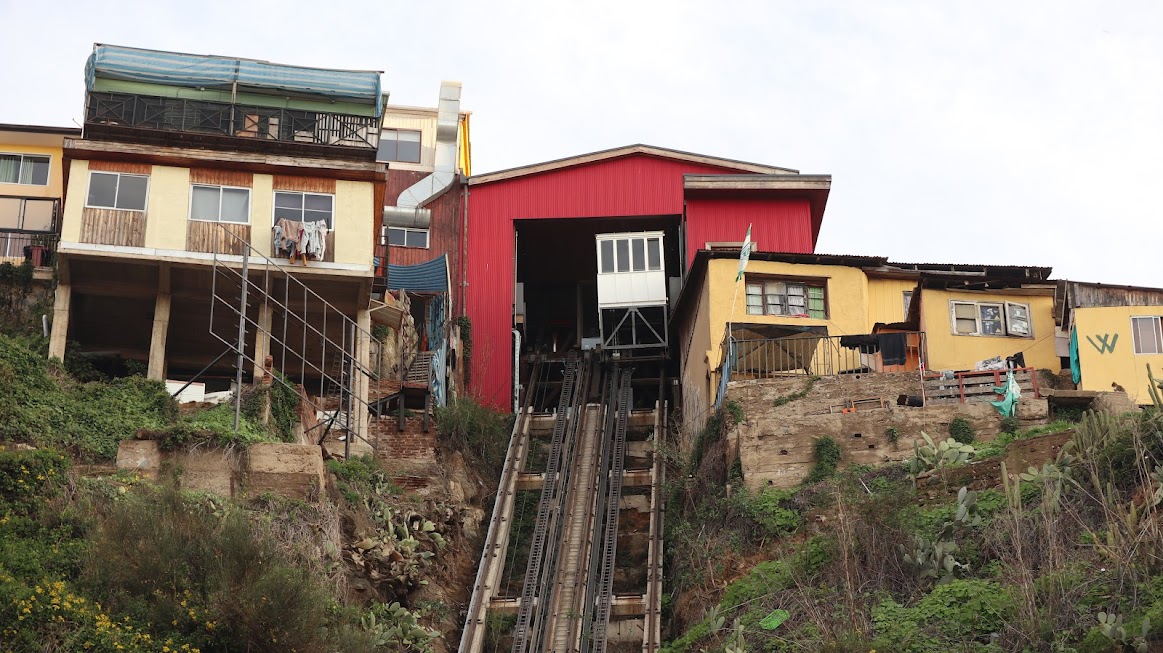
The Espíritu Santo Elevator opened in 1911 to connect the city center with Cerro Bellavista. This funicular is particularly well-known for being the most direct and picturesque route to Valparaíso’s famous Open-Air Museum, a path where the hillside’s walls and stairways have been transformed into canvases for prominent Chilean artists. It’s a journey filled with light, color, and a strong artistic identity.
- How to get there: Its entrance in the city center is located on Aldunate Street, behind Plaza Victoria and very close to the Valparaíso Cathedral. As you go up, it drops you off directly on Rudolph Street on Cerro Bellavista.
Barón Elevator
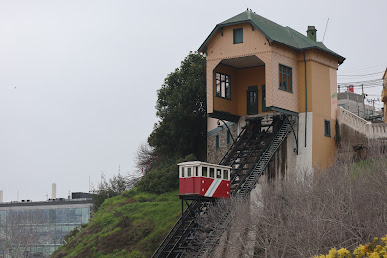
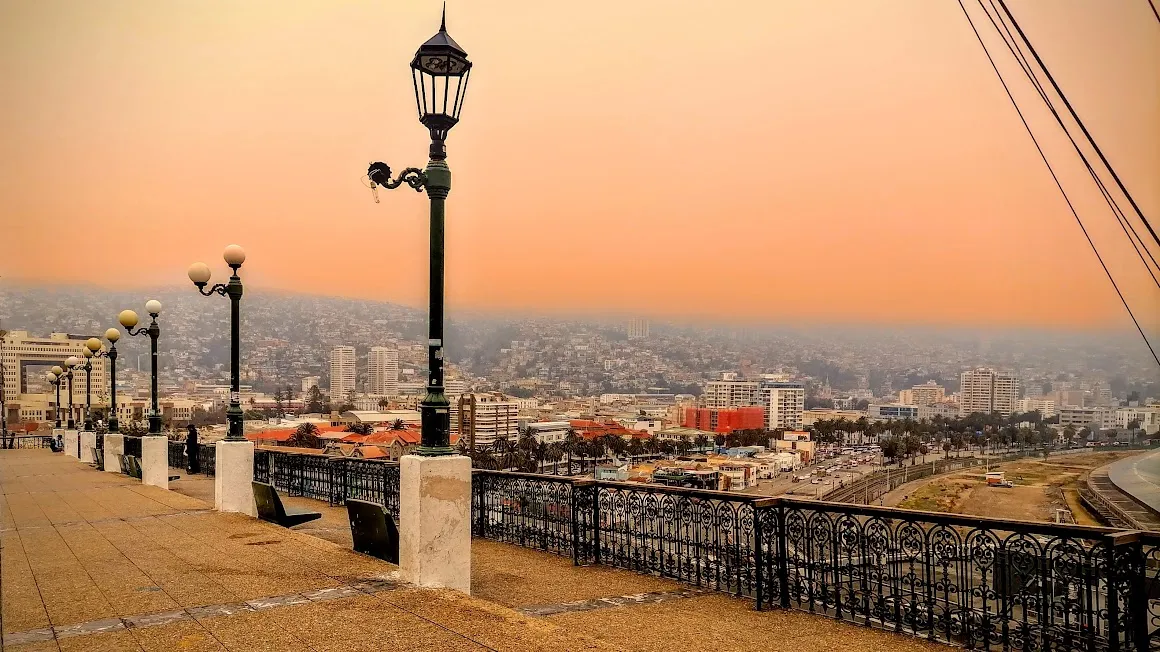
Located at the eastern end of the bay, the Barón Elevator was the city’s first to operate with an electric motor, marking a technological milestone in 1906. This ride offers a completely different view from that of the traditional tourist hills; from its imposing summit viewpoint, you’ll enjoy one of the best panoramic views of the bay, the container terminal, the waterfront, and the ships resting in the Pacific Ocean.
- How to get there: The lower station is located on Avenida España, right across from the Barón del Tren Limache-Puerto station intersection. Upon reaching the top, you’ll exit directly onto the Diego Portales Lookout on Cerro Barón.
📍 Places recommended by Pindoor for this route
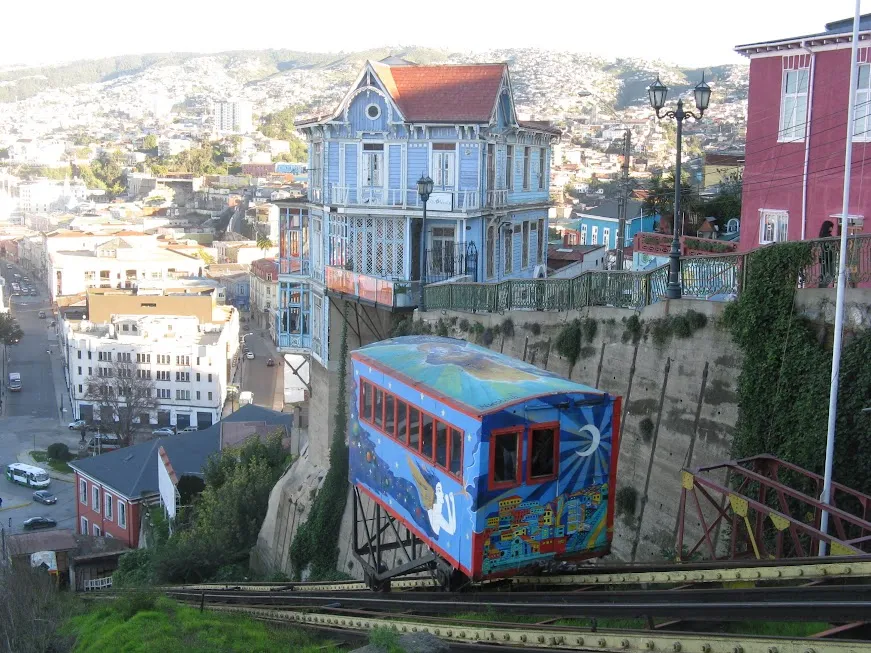
Artillería Elevator
Cerro Artillería
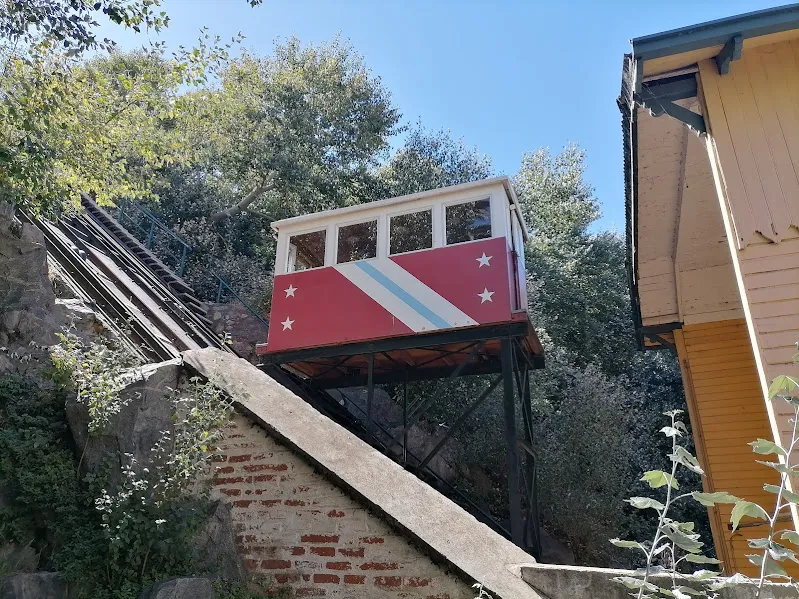
Barón Elevator
Cerro Barón
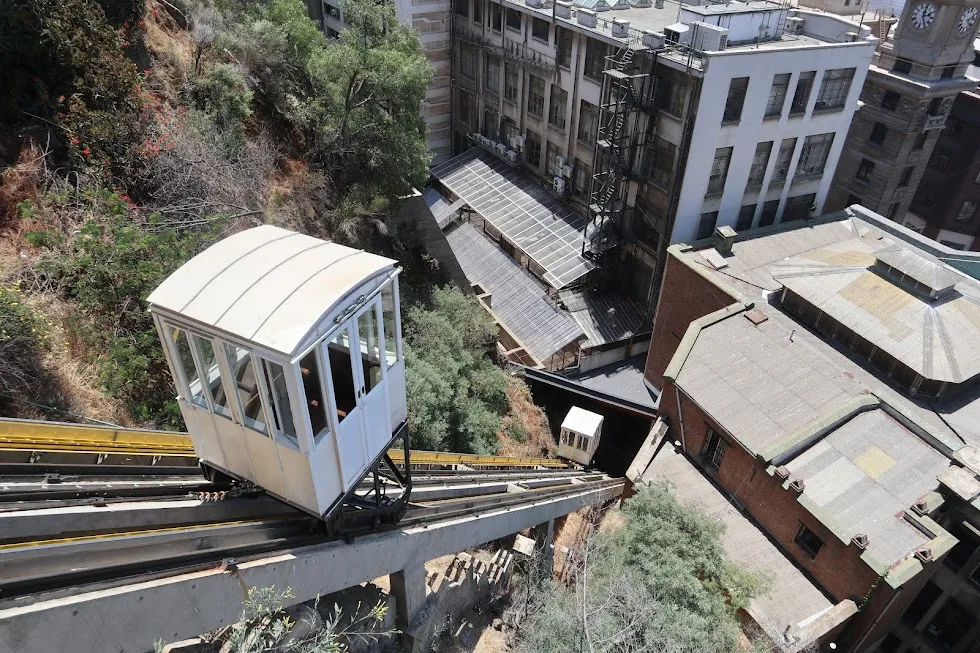
Concepción Elevator
Cerro Concepción
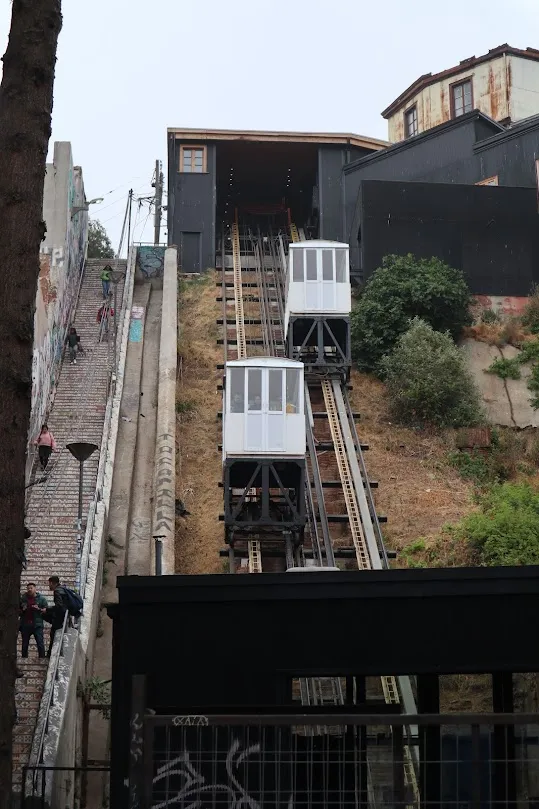
Cordillera Elevator
Cerro Cordillera
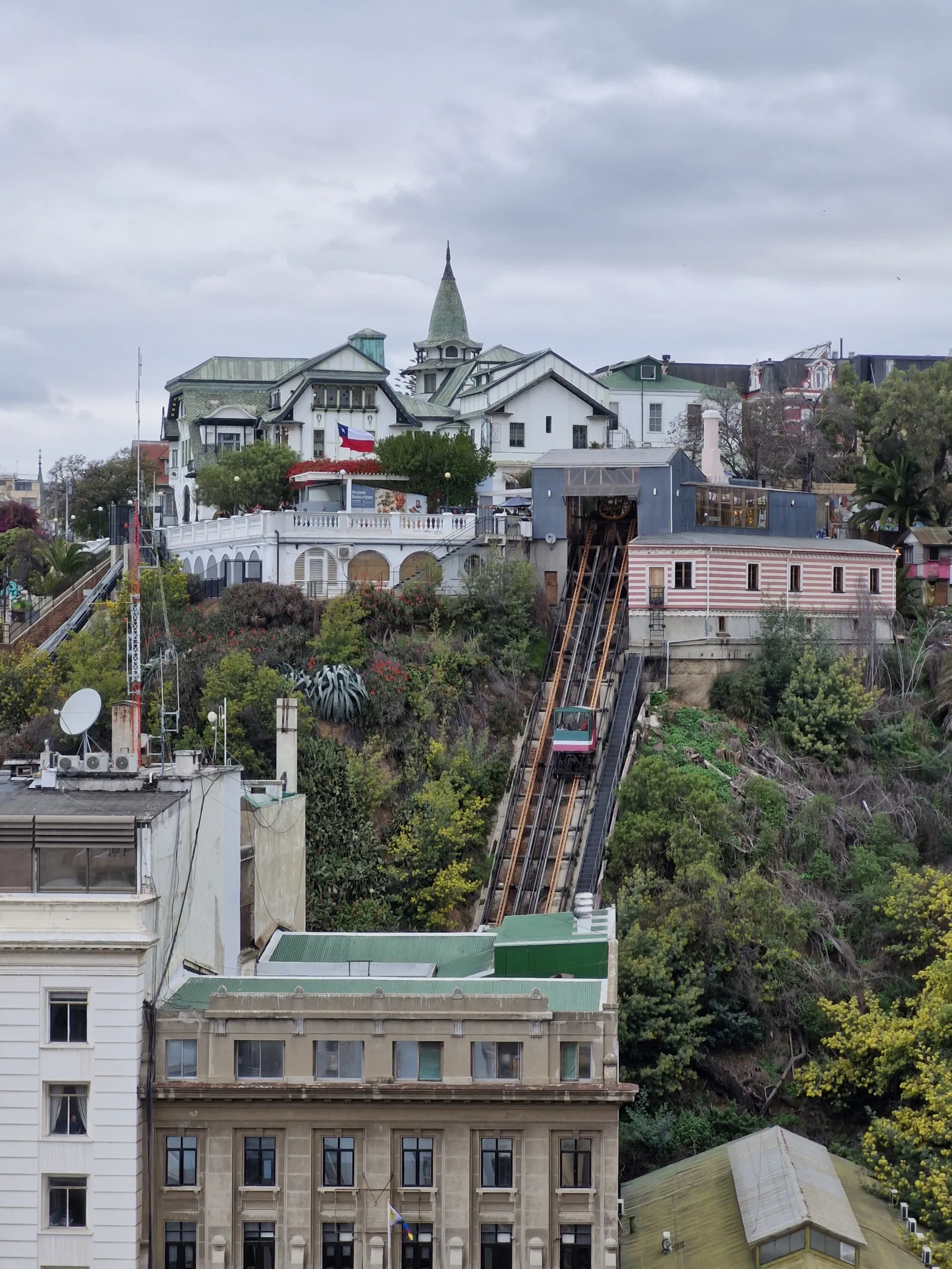
El Peral Elevator
Cerro Alegre
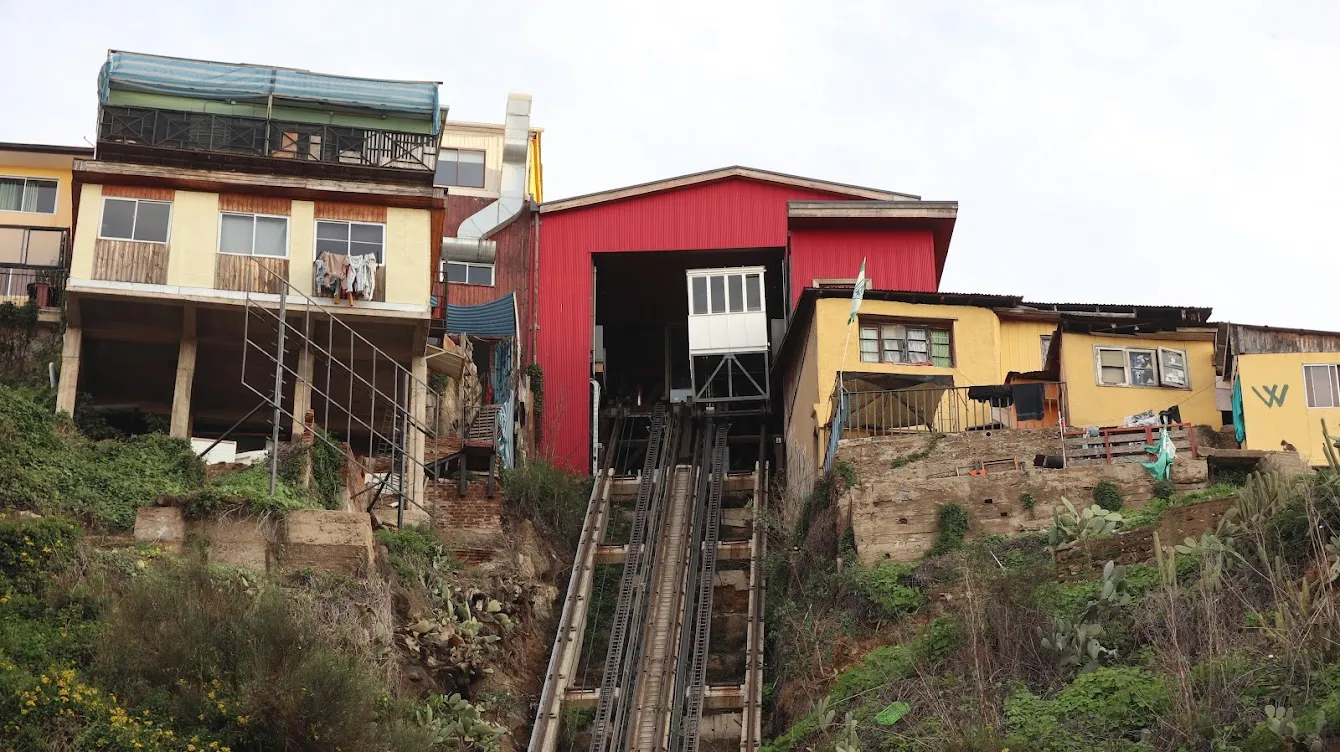
Espíritu Santo Elevator
Cerro Bellavista
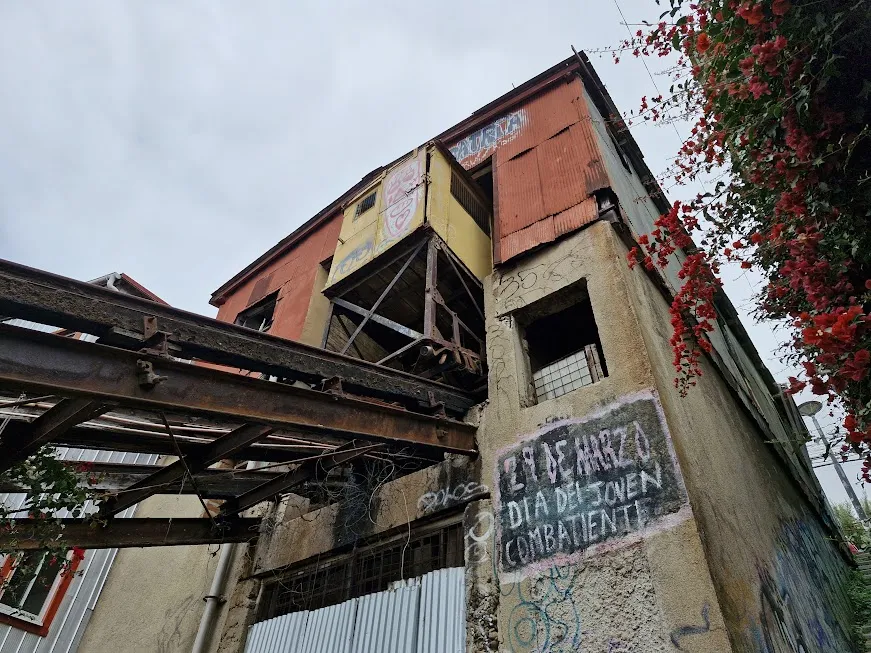
Florida Elevator
Cerro Florida
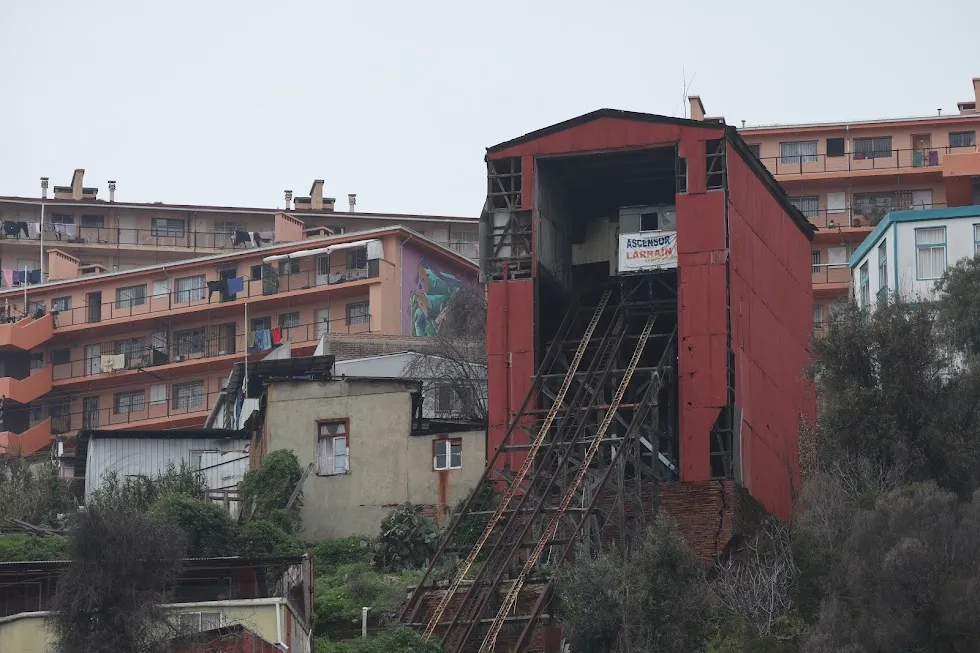
Larraín Elevator
Cerro Larraín
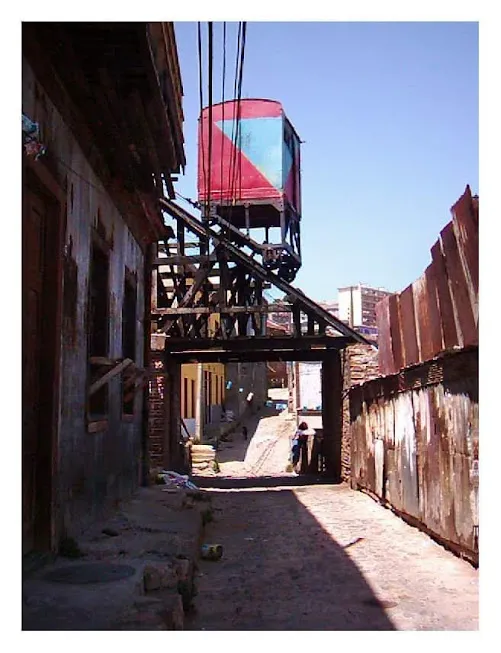
Lecheros Elevator
Cerro Lecheros
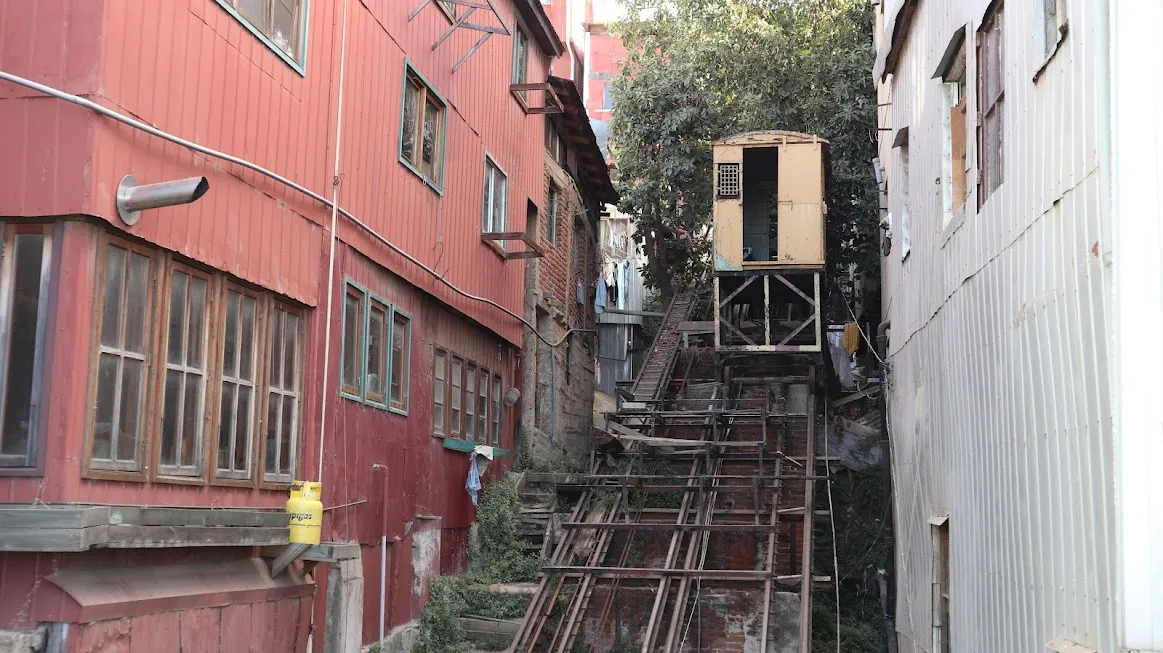
Butterflies Elevator
Cerro Mariposas
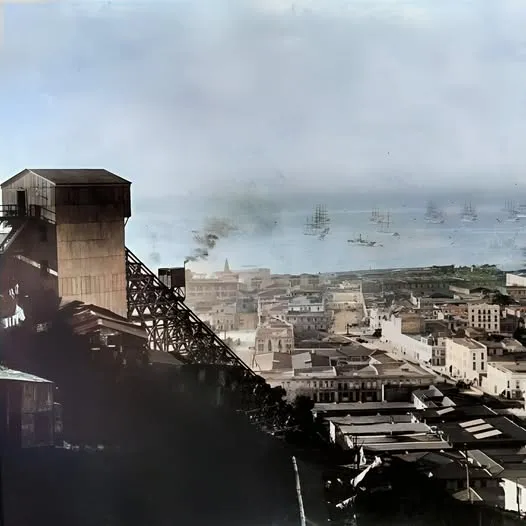
Monjas Elevator
Cerro Monjas
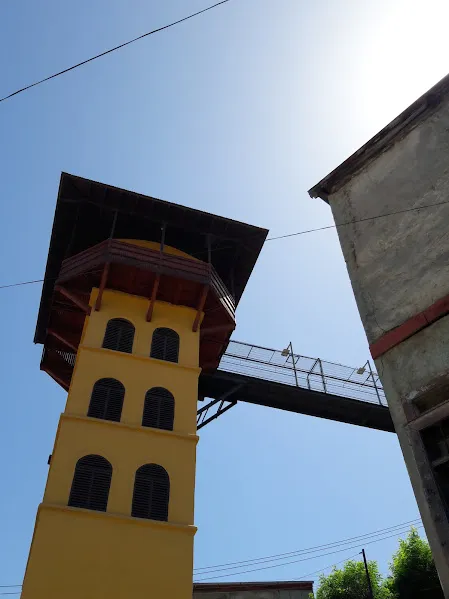
Polanco Elevator
Cerro Polanco
Reina Victoria Elevator
Cerro Alegre
San Agustín Elevator
Cerro Cordillera
Villaseca Elevator
Playa Ancha
Barón Lookout
Cerro Barón
Have a business in Valparaíso? List it for free on Pindoor.cl and appear in our guides.
Register my venue →📚 You might also like
How to Get from Santiago to Valparaíso: A Transportation Guide
A Walk Along Baquedano Avenue: From Cerro Monjas to Plaza de los Poetas in Cerro Florida
Tour of Cerro Barón and Cerro Lecheros: Heritage, Murals, and the Best View of Valparaíso
Valparaíso Heritage: A Walk through the History, Art and Soul of the Port City