· Por Equipo Pindoor
Valparaíso in the History of Photography: From Daguerreotypes to Sergio Larraín
Valparaíso has not only been a natural amphitheater for poets, but also the gateway for photography in Chile. From the arrival of the first daguerreotypists in the 19th century—drawn by the light of the port—to Sergio Larraín’s poetic, vertical perspective as a member of the Magnum agency in the 1960s, the main port has built its visual identity through the lens. This guide explores the city’s photographic history and how to explore its iconic shots.
The relationship between Valparaíso and photography began with the port’s opening to international trade during the first half of the 19th century. The Atlantic light reflected off the Pacific Ocean, the rugged topography of its hills, and the vibrant cosmopolitan life turned the city into the country’s photographic capital even before it became the administrative capital.
The Arrival of Light: The Pioneers of the Daguerreotype
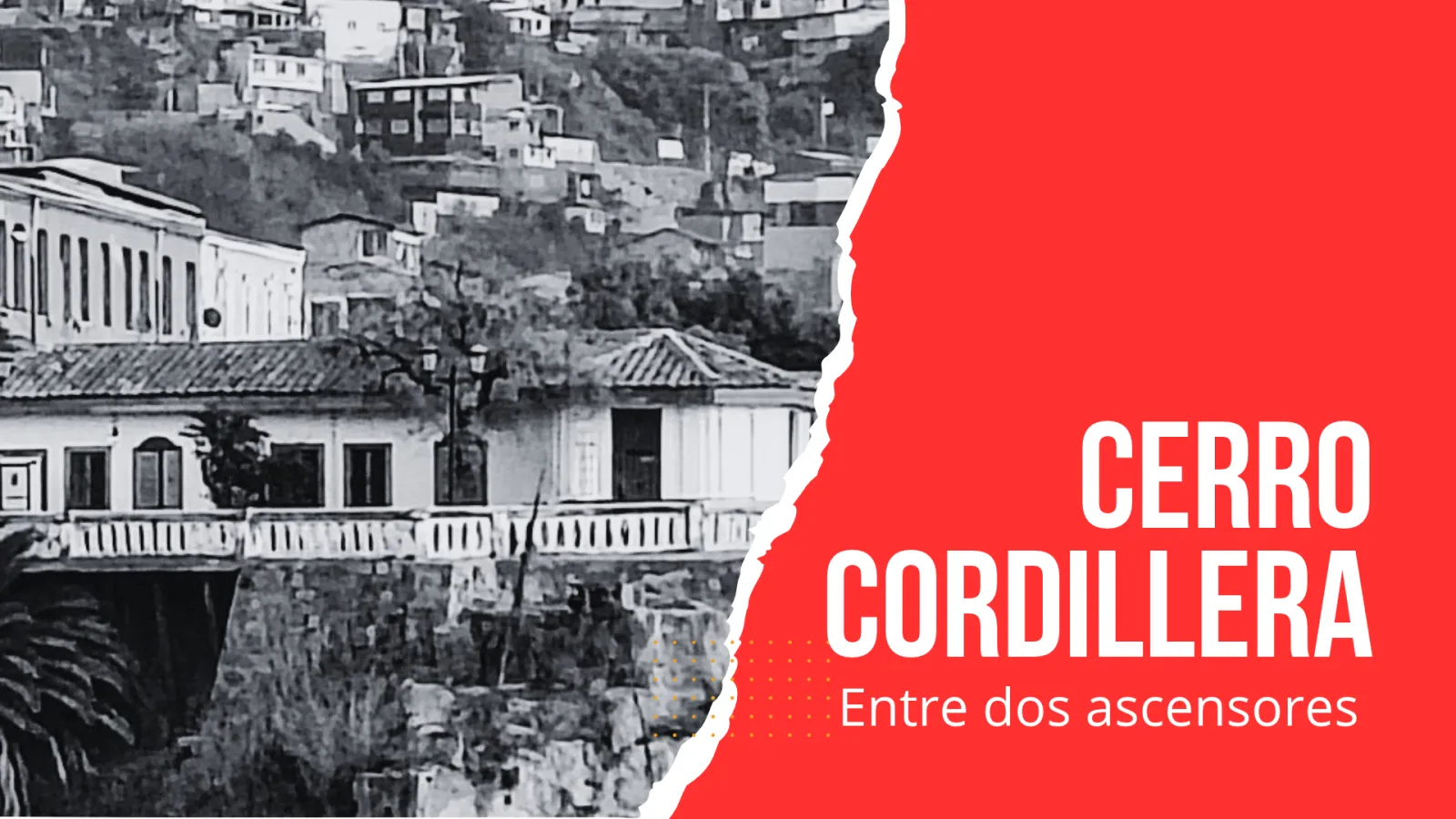
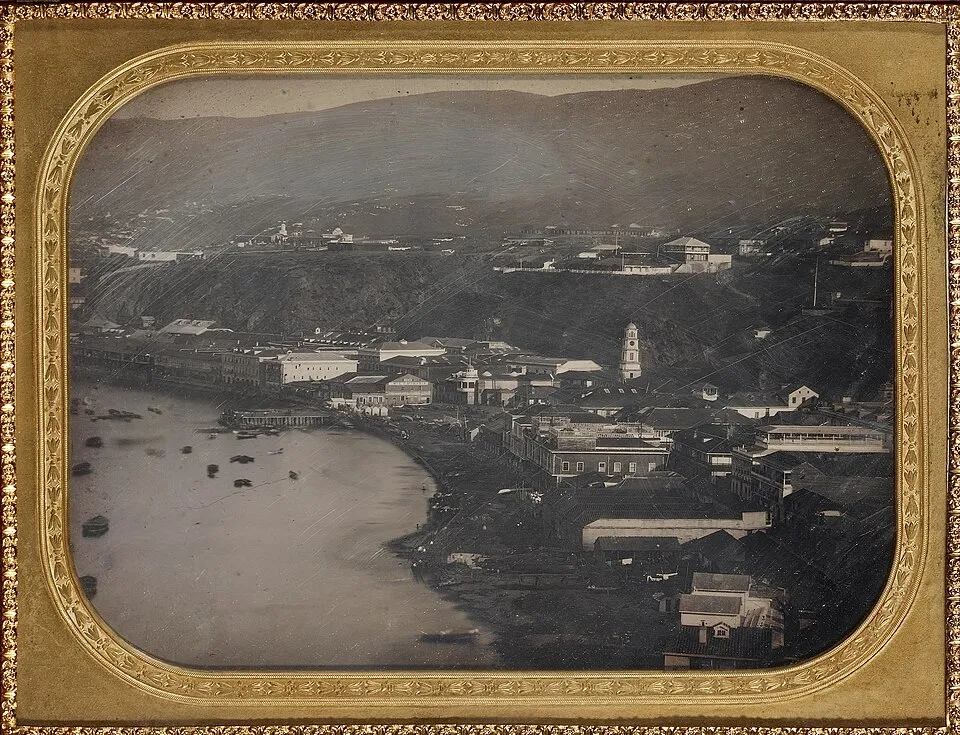
In the 1840s, Valparaíso received the first daguerreotype cameras to arrive in Chile. Traveling photographers from France and the United States disembarked at the port, drawn by the economic prosperity of local merchants and passing sailors. The panoramic views captured on metal plates depicted the first images of the Plan, the bay teeming with sailboats, and the first rudimentary elevators.
During this period, photography studios established on Prat and Serrano streets portrayed both Valparaíso’s bourgeoisie and the evolution of the city’s waterfront layout. Valparaíso was, at once, both a subject of topographical study and a visual laboratory.
Sergio Larraín and the Poetic Reinvention of Valparaíso
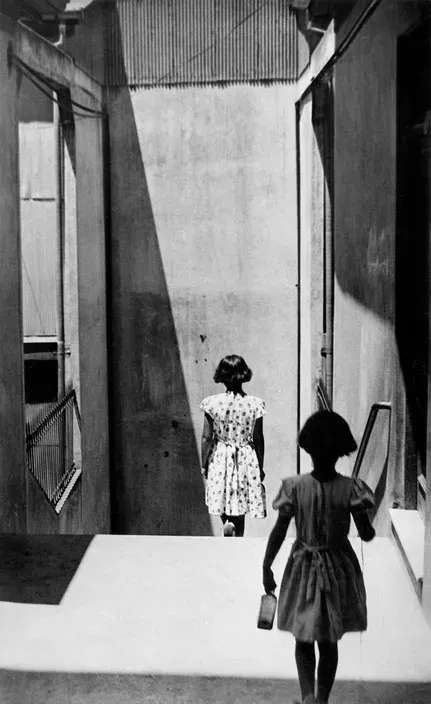
If the nineteenth century established the port’s structure, the twentieth century found in Sergio Larraín (1931–2012) its most visceral narrator. Larraín, the first Latin American photographer to become a full member of the prestigious Magnum Photos agency, transformed the way we view the city through a radically poetic and human approach.
Between the 1950s and 1960s, Larraín explored the shadowy alleyways, the port’s bars, and the endless stairways up the hills. His work in Valparaíso culminated in the iconic photobook published in collaboration with the poet Pablo Neruda—a work filled with vertical frames, low angles, intentional blurring, and compositions where atmosphere matters more than technical sharpness.
Legendary images—such as the two girls descending the steps of Pasaje Bavestrello in Cerro Alegre or the dimly lit scenes in the brothels and cabarets of the Puerto neighborhood—including the memorable bar Los Siete Espejos—defined the aesthetic of modern street photography in Chile. For Larraín, taking a photograph was not about recording an event, but about achieving a state of harmony and visual meditation.
Photographic vantage points in the hills today
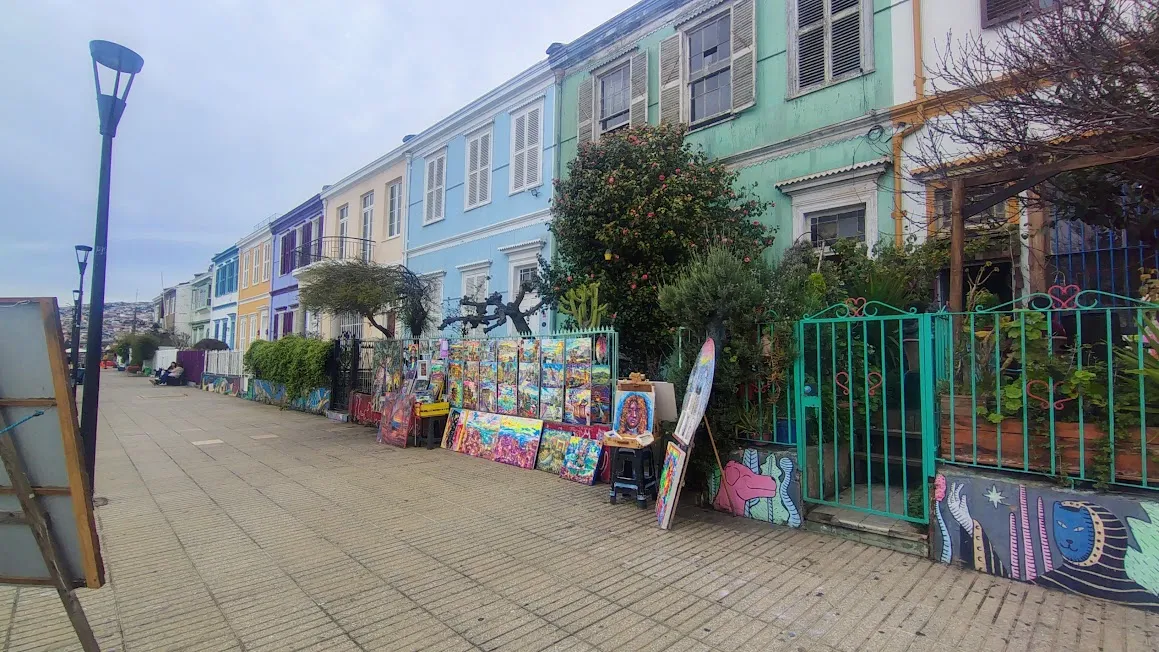
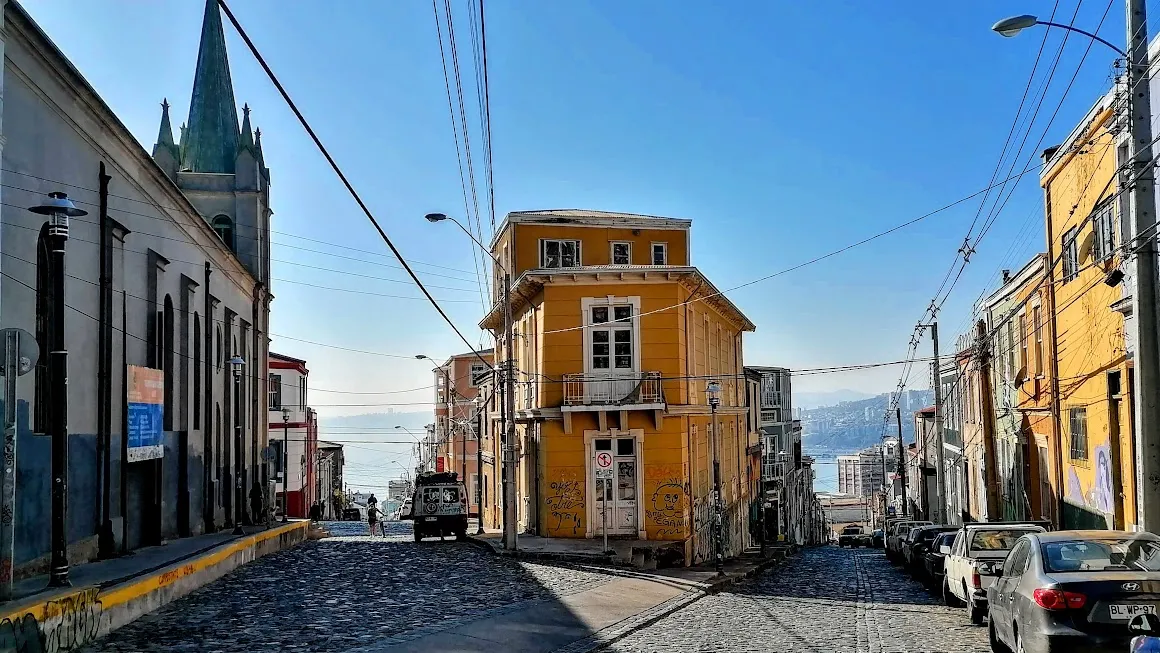
For photography enthusiasts visiting the city, the urban landscape still retains the magic of the shots captured in past decades. You can take a walking tour in search of the light and perspectives that amazed the pioneers:
- Pasaje Bavestrello (Cerro Alegre): The stepped walkway that runs through a residential building, immortalized in Larraín’s work.
- Paseo Gervasoni Lookout (Cerro Concepción): A strategic spot for photographing the contrast between the hillside architecture and the ships in the harbor.
- Serrano Street and the Puerto Neighborhood: An ideal setting for daytime street photography and capturing historic facades.
- Fischer Stairs: A meeting spot for photographers seeking perspectives of light and shadow along the pedestrian walkways.
Practical Information
If you’d like to take a photography tour of Valparaíso, keep the following recommendations in mind:
- Starting point: Plaza Sotomayor for architectural photography in the city center, or the upper station of the El Peral Elevator to begin your tour of the hills.
- How to get there: Take the [LINK: Valparaíso Metro] to Puerto Station and walk toward the funicular areas.
- Suggested duration: A photography tour using natural light takes between 3 and 5 hours.
- Best time of day: The early morning hours (between 8:00 a.m. and 10:30 a.m.) offer soft light over the harbor, while the golden hour before sunset highlights the textures of the facades on Cerro Alegre and Cerro Concepción.
- Equipment safety: Keep your camera secured with a cross-body strap when walking through areas with little foot traffic or at night in the Plan.
- Cash and accessories: Bring coins to pay for the historic elevators [VERIFY: 2026 fare] and wear shoes with good traction for the polished stone steps.