· Actualizado · Por Pindoor
7 Figures from Valparaíso and Where to Find Traces of Them
Valparaíso holds fascinating secrets. Did you know that the world’s first labor government was led by a native of Valparaíso? Discover this and other stories in our guide to seven of the city’s illustrious figures—including politicians, artists, and athletes—who left an indelible mark. We’ll also reveal the exact spots (squares, museums, hills, and stadiums) where you can still connect with their legacy today. An unmissable tour through the port city’s living history!
Born in Valparaíso
1. Chris Watson, the Man from Valparaíso Who Governed Australia
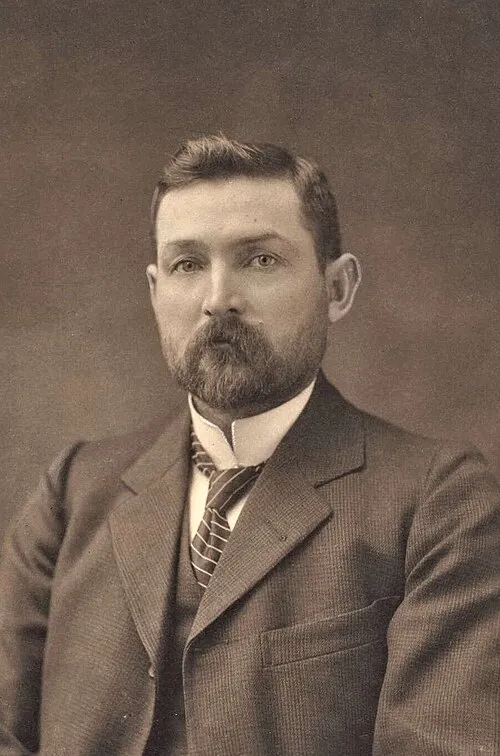
He was born Johan Cristian Tanck on April 9, 1867, in Valparaíso. His father was a Chilean of German descent, and his mother was from New Zealand. He grew up in New Zealand and emigrated to Sydney at age 19.
In 1904, he became Australia’s third prime minister. He served for only four months, but his administration was the world’s first Labor government at the national level.
Where to find his legacy: There is no specific site in the city associated with him. His story begins at the port itself, a mandatory stop for ships crossing the Pacific in the 19th century.
2. Joaquín Edwards Bello, the chronicler of the port
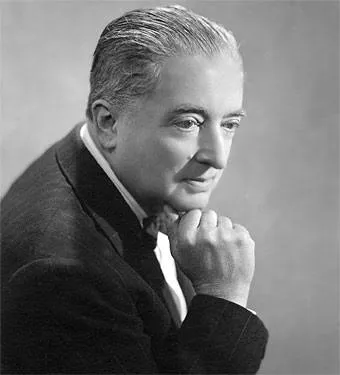
He was born in Valparaíso on May 10, 1887, and was the great-grandson of Andrés Bello. He was a novelist and chronicler, and won the National Prize for Literature in 1943 and the National Prize for Journalism years later.
He wrote about his hometown in *Valparaíso, the City of Wind* (1931) and in his *Memoirs of Valparaíso*, published posthumously.
Where to find his legacy: Joaquín Edwards Bello Square, just steps from the Baburizza Museum.
3. Camilo Mori, the painter of *La viajera*
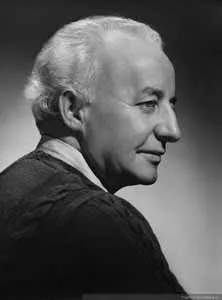
He was born in Valparaíso on September 24, 1896, the son of an Italian immigrant. He was the founder of the Montparnasse Group, director of the National Museum of Fine Arts, and recipient of the National Art Prize in 1950.
His best-known work, *La viajera* (1928), was painted in Valparaíso. In 2024, it was exhibited at the Venice Biennale.
Where to find his legacy: the Palacio Baburizza Museum of Fine Arts, where he served as artistic director in the 1940s.
4. Elías Figueroa, the Legend of Playa Ancha
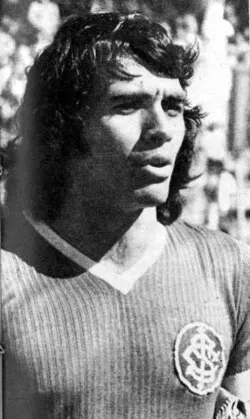
He is considered by many to be the greatest Chilean soccer player of all time and one of the greatest defenders in soccer history.
Where to find his legacy: the Elías Figueroa Brander Stadium in Playa Ancha, home of the Santiago Wanderers. It has borne his name since its reconstruction in 2014 and includes a soccer museum.
5. Osvaldo “Gitano” Rodríguez, the Voice of Valparaíso
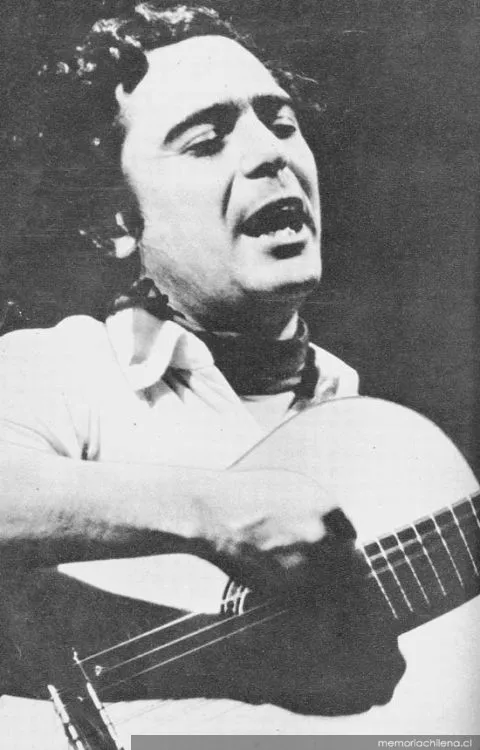
He was born in Valparaíso in 1943 and died in Bardolino, Italy, in 1996. He was a singer-songwriter, poet, painter, and essayist associated with the Nueva Canción Chilena movement.
He wrote the song “Valparaíso,” the port’s unofficial anthem. After the 1973 coup, he lived in exile in Europe, where he wrote much of his work.
Where to find his legacy: Pasaje Mutilla in Playa Ancha.
Adopted Sons of Valparaíso
They weren’t born in Valparaíso, but the port shaped them or chose them.
6. Arturo Prat, the cadet from Valparaíso
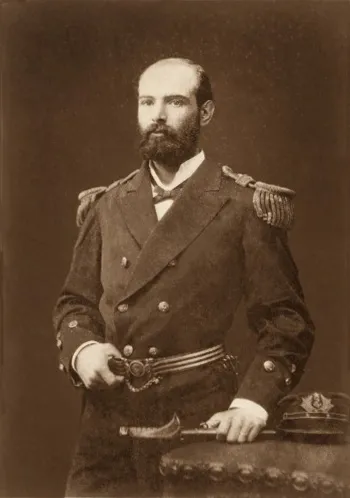
He was born in 1848 at the San Agustín de Puñual estate in Ñuble. In 1858, his family moved to Valparaíso, and that same year, at age 10, he entered the Naval Academy.
He was part of the so-called “Class of Heroes,” alongside Carlos Condell and Luis Uribe. Years later, he became a professor at the Naval Academy and taught for free at a night school in the port.
Where to find his legacy: the Prat Room at the National Maritime Museum, located in the former Naval Academy on Artillería Hill, where the Esmeralda’s clock is on display. The building was inaugurated in 1893, after his death. Also, the Monument to the Heroes of Iquique, in Plaza Sotomayor.
7. Pablo Neruda, the poet who chose a hill
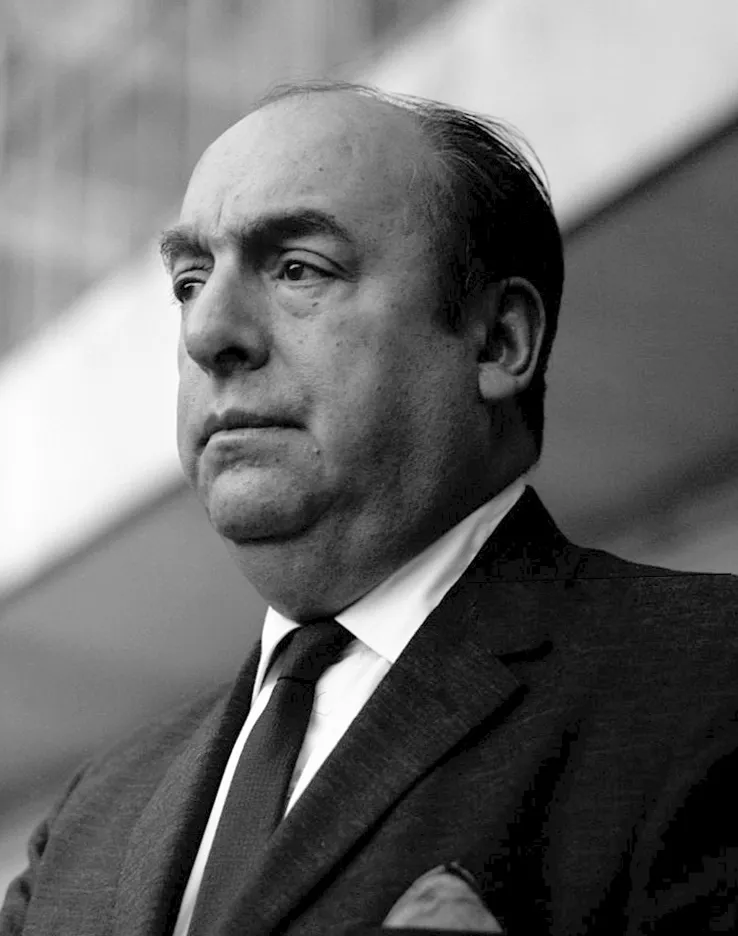
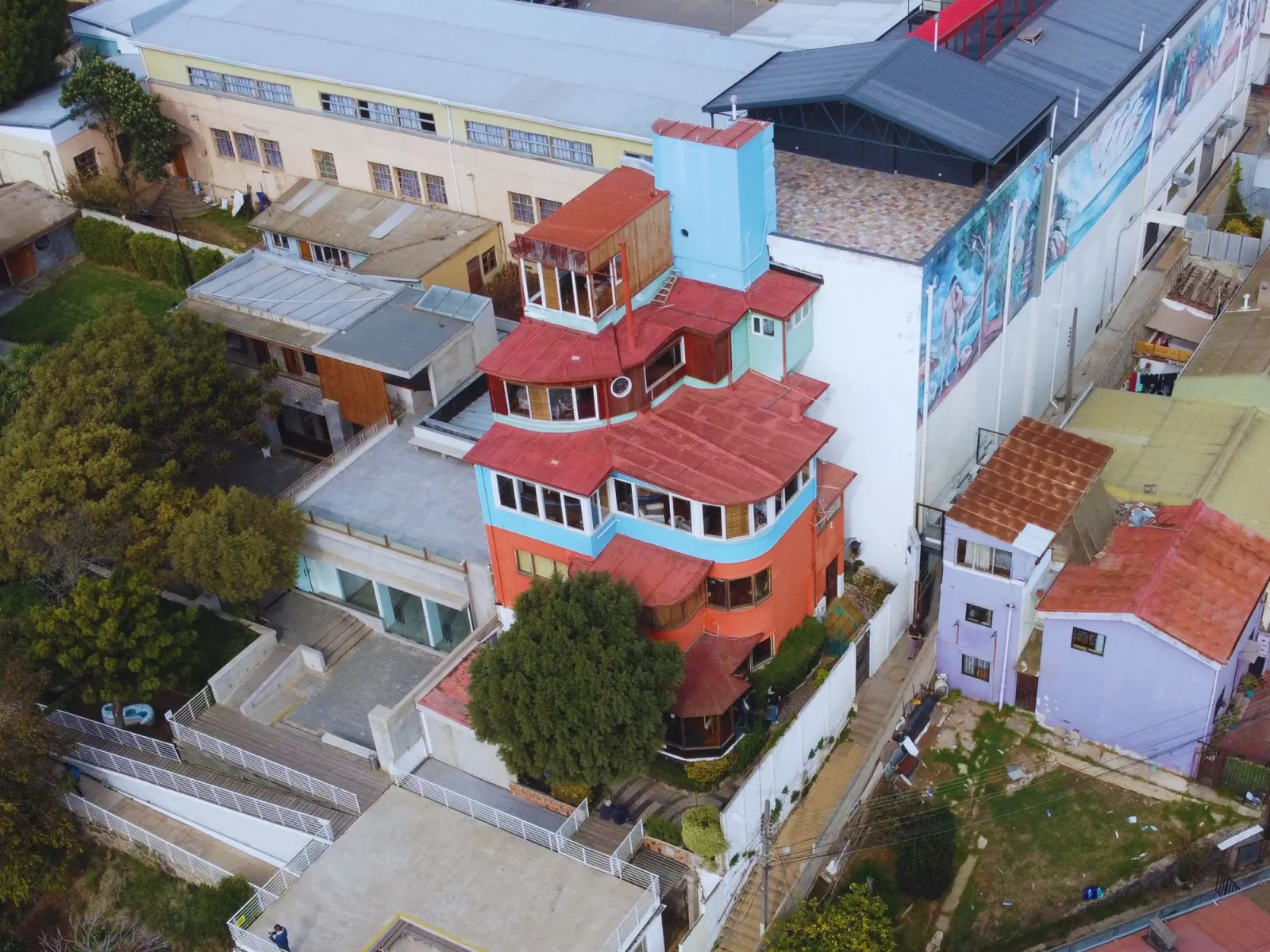
He was born in Parral in 1904 and received the Nobel Prize in Literature in 1971. He had three homes in Chile, and he chose one of them in Valparaíso. He also lived for a time in a large house next to the upper station of the Lecheros funicular, fleeing persecution under the infamous law of 1948.
Where to find traces of him: La Sebastiana, his home on Florida Hill, now a museum; and the large house next to the Lecheros funicular on Cervantes Street.
📍 Places recommended by Pindoor for this route
Have a business in Valparaíso? List it for free on Pindoor.cl and appear in our guides.
Register my venue →