🎬 · Por Equipo Pindoor
Puerto de Ideas Valparaíso 2026: A City for Reflecting on What It Means to Be Human
More than 14,000 people attended the 16th edition of Puerto de Ideas. From November 6 to 8, Valparaíso served as a stage for exploring what makes us human—and for reflecting on itself.
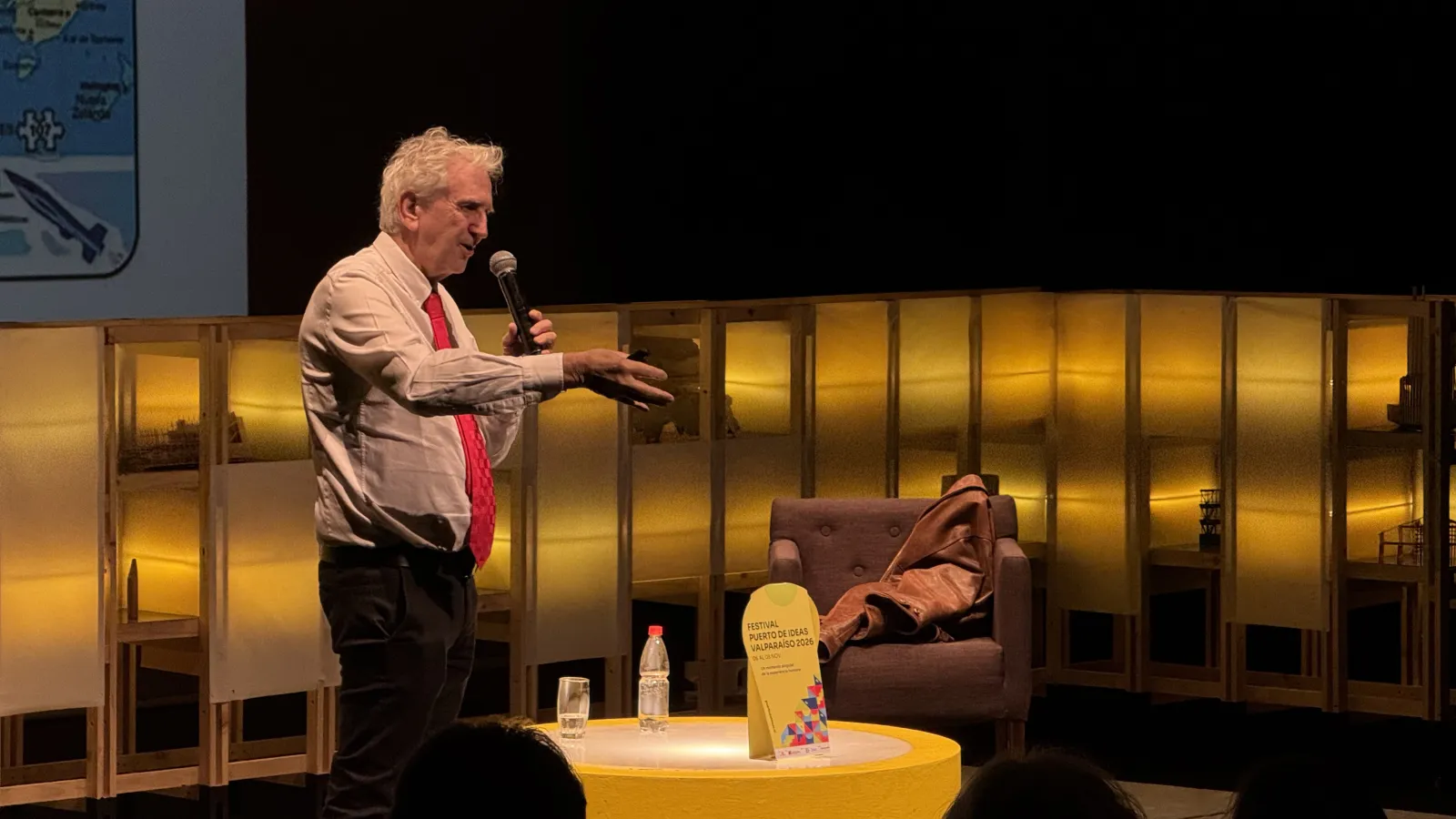
On Friday, November 6, the Valparaíso Cultural Park—the port’s former prison—was packed. Juan Luis Arsuaga opened Puerto de Ideas with “The Roots of Evil,” a question humanity has always asked itself and has answered through myth, religion, and philosophy. This time, the answer came from paleoanthropology, tracing violence through human evolution. But what stood out most about that day was not just the topic, but the atmosphere in the room: opinions, critical reflection, conversations, and challenges. A space that was once a prison, transformed into a hotbed of ideas.
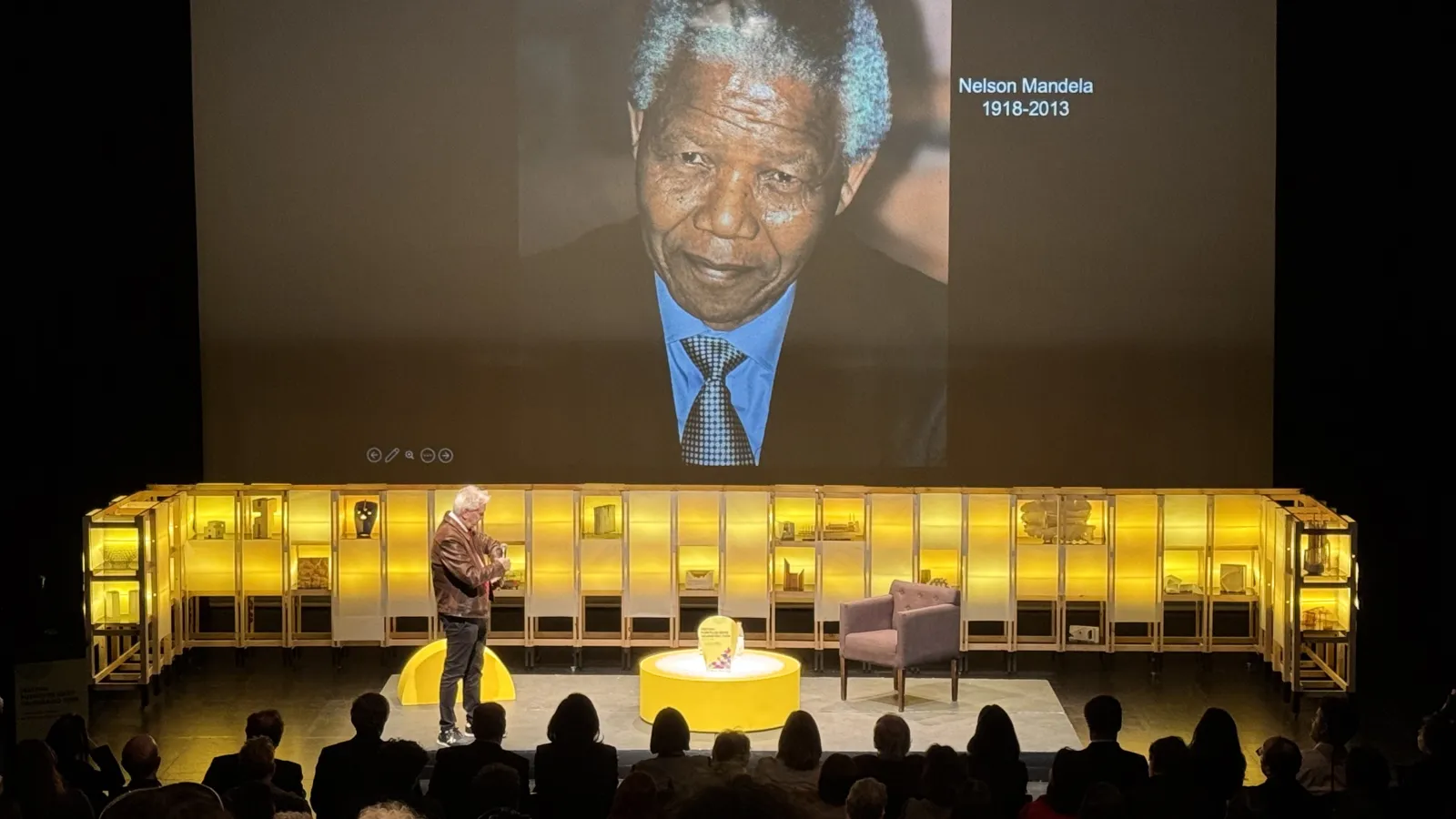
Thus began three days of talks, conversations, philosophy cafés, and music under the theme “A Singular Moment in Human Experience.” The numbers confirm the event’s established status: some 14,000 people, more than 40 activities, and over 50 guests from Chile and abroad. And the setting was no mere detail. Valparaíso is a city with many identities at once: a port city, a cultural hub, a university town, a bohemian enclave, a tourist destination, and a World Heritage Site. It faces the sea and exists in a constant tension between all these facets. Perhaps that is where its value lies—this gem of yesteryear, contradictory and, for that very reason, captivating.
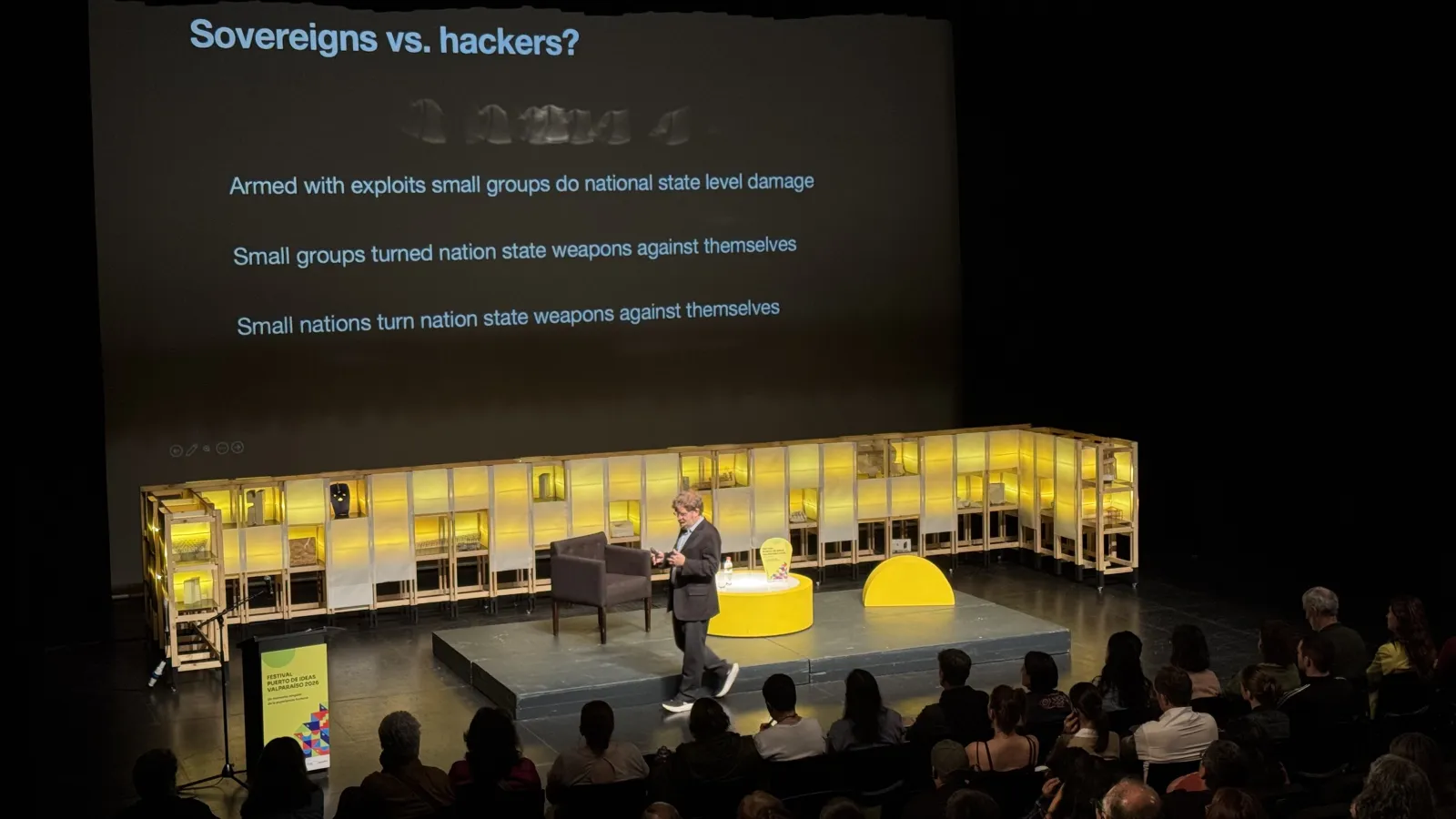
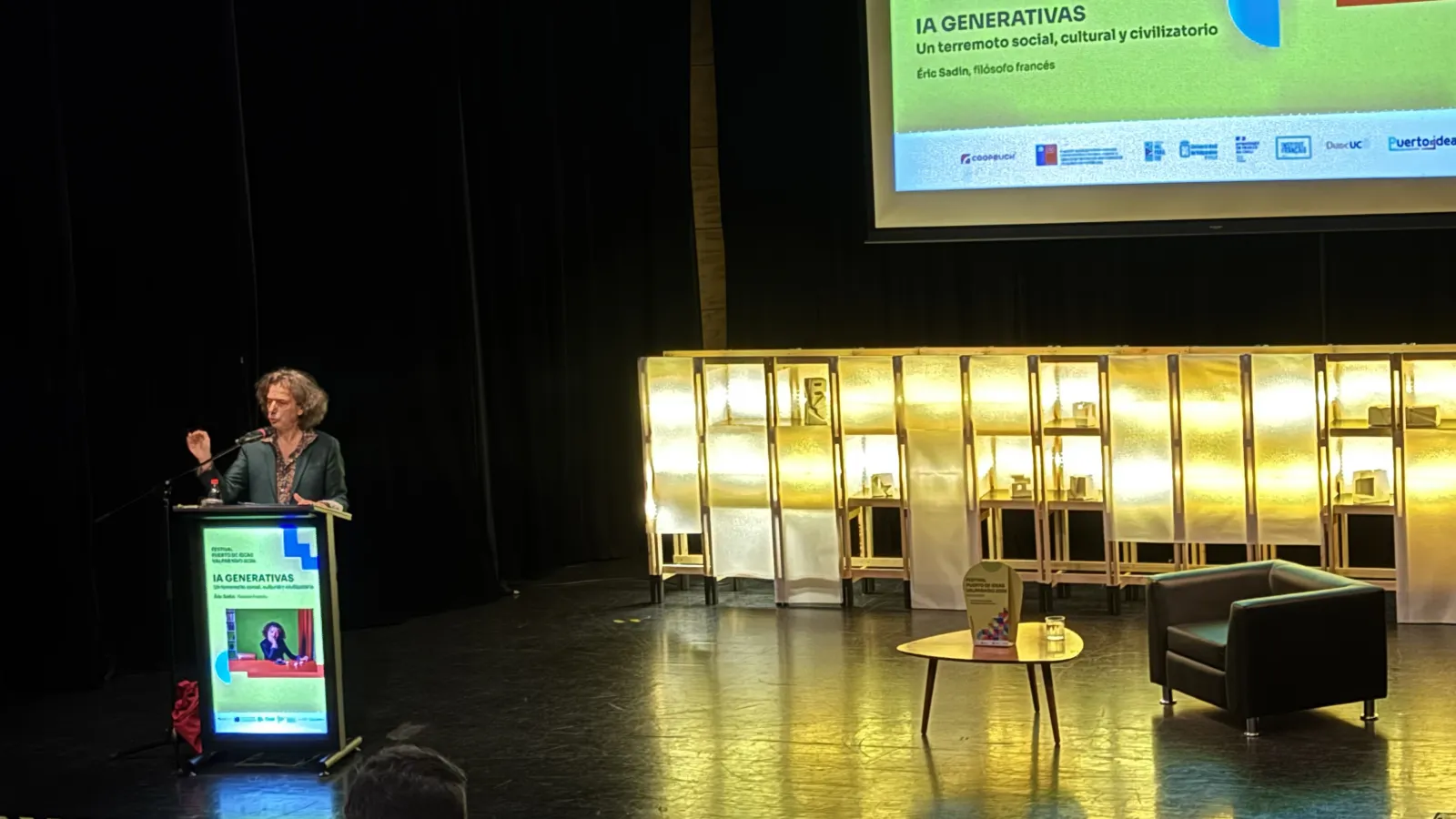
Part of the program looked out at the entire world. On Sunday, back at the Parque Cultural, American historian Matthew L. Jones presented “Hacking the World.” His thesis is unsettling: those who develop our systems have—apparently intentionally—left vulnerabilities open in the devices we use every day. These flaws—kept secret and beyond any social or democratic oversight—become a gateway for spying on us, open to anyone with the resources to pay for it. Along the same lines, French philosopher Éric Sadin invited us to view generative artificial intelligence from a radical perspective. His question was not how much we gain by using it, but how much we lose. It was a wake-up call for our thinking at a time when we seem to be dazzled by its emergence.
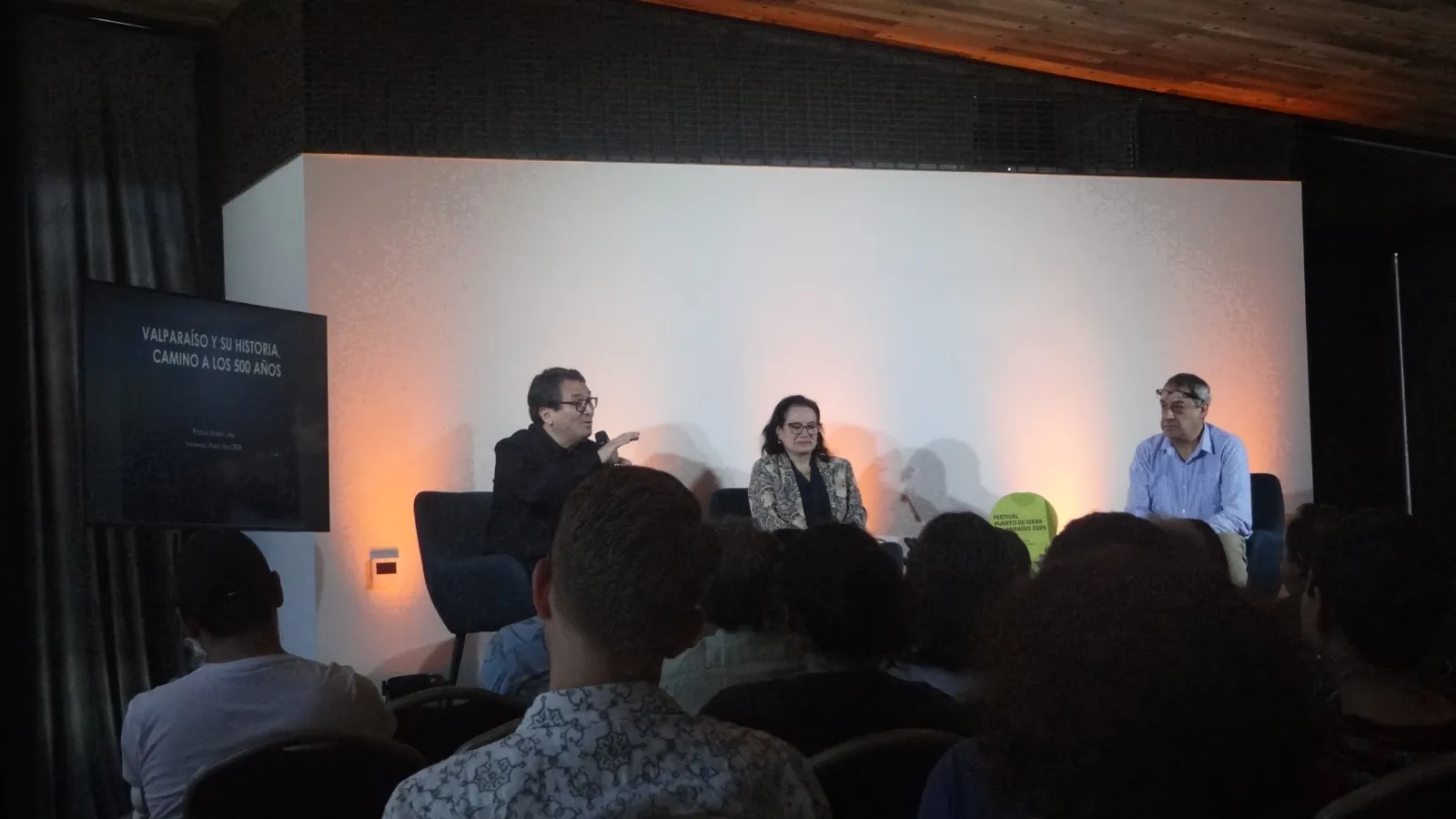
Alongside these global questions, this edition featured another highly valuable intersection: that of deeply local reflections. One of the events that best embodied this was “Where Do We Come From, Porteños? Toward Valparaíso’s 500th Anniversary,” a discussion featuring historian Rodrigo Moreno, Michelle Prain, and René Cevasco, curated by Macarena Carroza, director of the Municipal World Heritage Site Corporation. The starting point: 2036 marks the 500th anniversary of Juan de Saavedra naming the bay in 1536. Named, not founded, because it was a seafaring tradition to name places even if no one knew whether a city would ever be built there.
From there, the conversation traced the history of the port: the Changos who inhabited the bay, the colonial anchorage, the 19th-century commercial hub of the Pacific, the earthquakes, fires, and reconstructions, all the way to the UNESCO designation in 2003. There were also difficult chapters, such as the competition with San Antonio, the departure of cruise ships, and the exodus of historic companies. And there was a look toward the future, with Playa Ancha serving as the landing point for fiber-optic cables. “It’s a resilient city,” Moreno summarized.
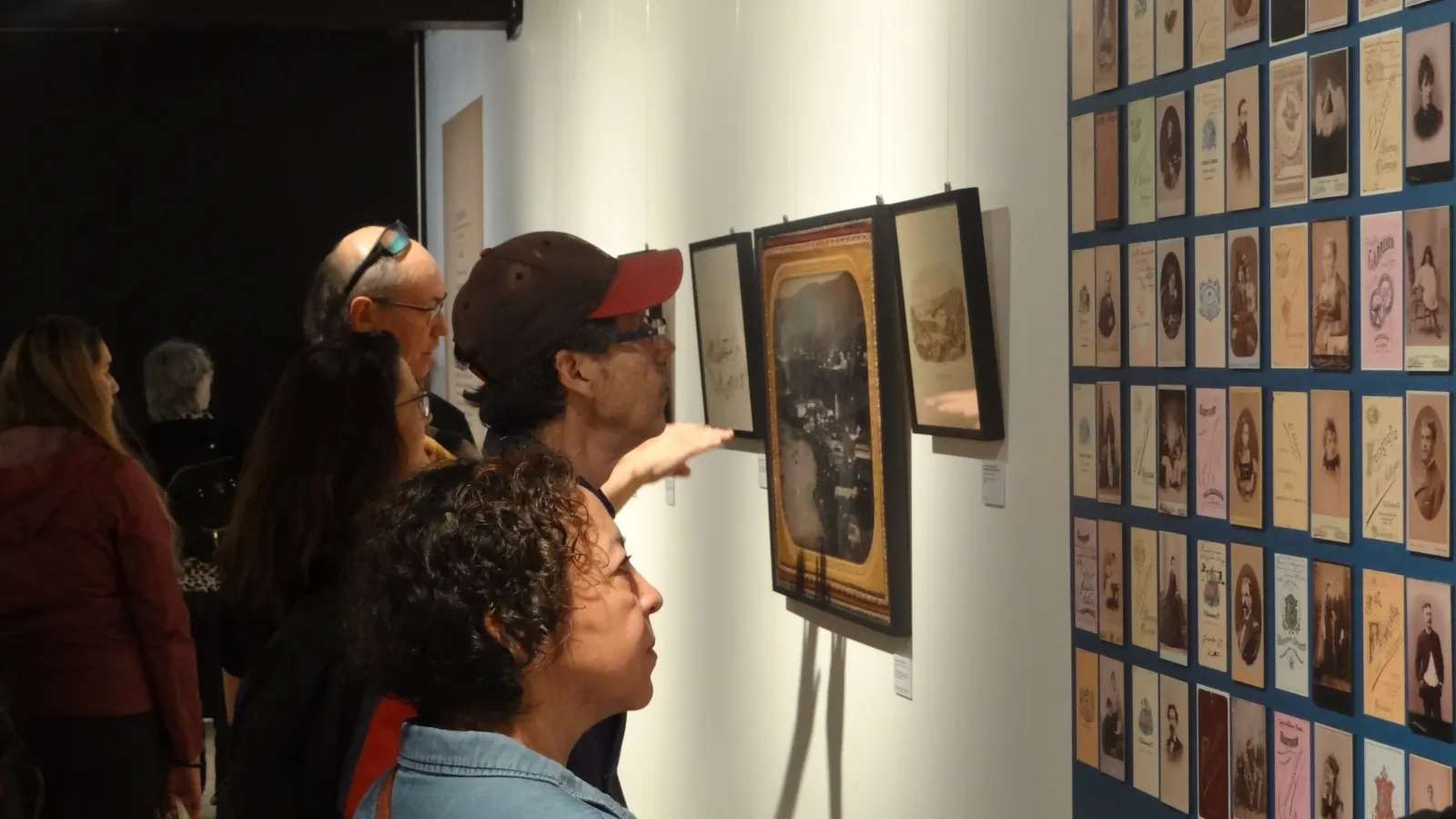
On Saturday, another discussion examined the city through the lens of a camera. “Looking at Chile: A History of Photography,” featuring Soledad Abarca, highlighted that Valparaíso played a key role in the arrival of photography in the country. Nineteenth-century merchants had their portraits taken to send the photos to their families in Europe, in a city of travelers that was always on the move. The first photographer to arrive from France was unable to disembark for two days, so his first images of Valparaíso were taken from the ship. A century later, Sergio Larraín’s book put the port on the map of world photography. Part of that history can be seen in the exhibition “Valparaíso 1839–2026: Photographs, Times, and Fragments,” at the Palacio Baburizza, with free admission.
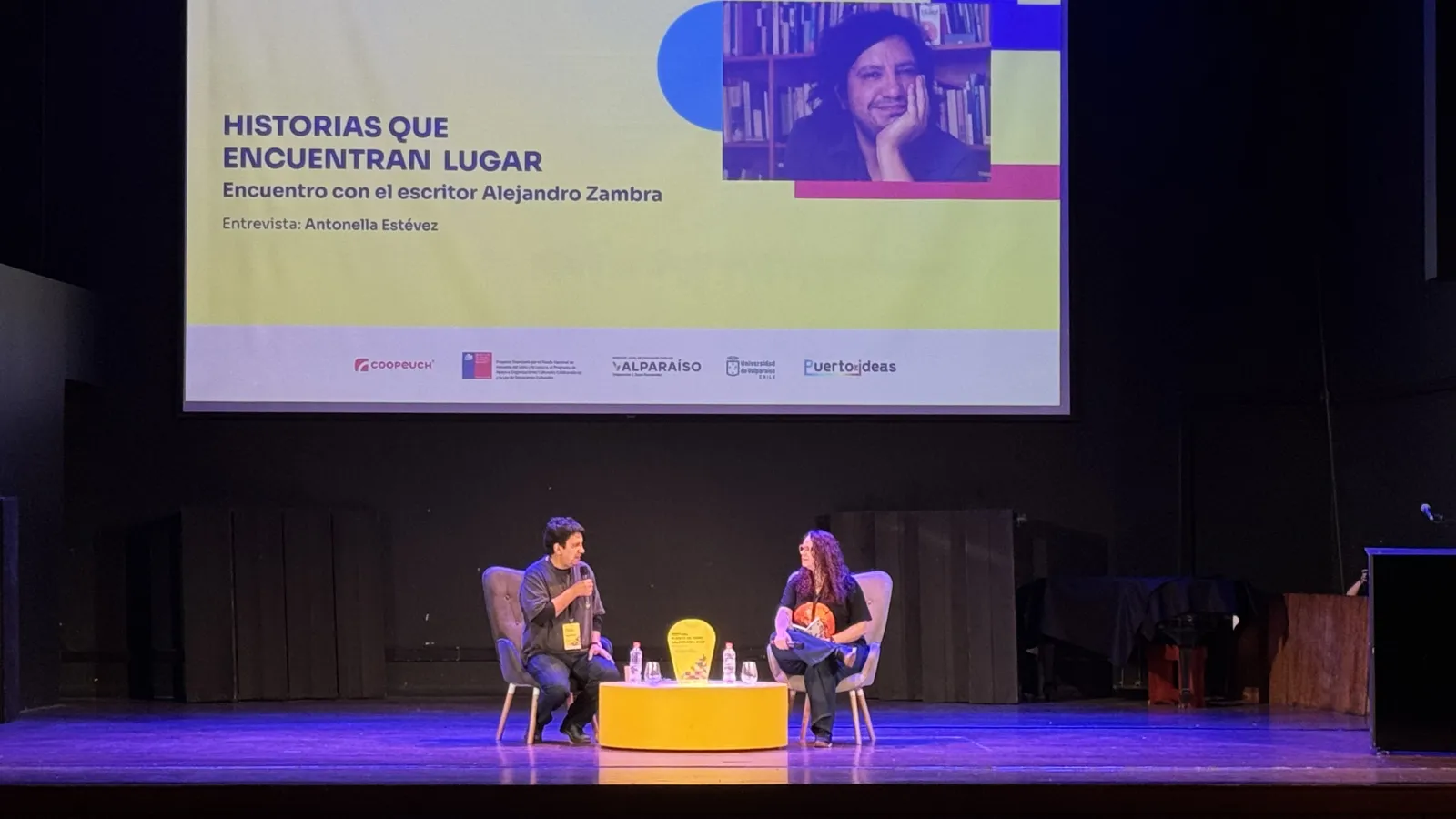
The other connection was with the city that doesn’t always make it into the auditoriums. On Friday, Alejandro Zambra spoke with schoolchildren in the Aula Magna at the University of Valparaíso (UV) during “Stories That Find a Place,” before a packed house. Seeing hundreds of enthusiastic students listening to and asking questions of one of the leading figures in contemporary Chilean fiction was a clear sign of how important the festival’s collaboration with other city stakeholders is. The journey also went in the opposite direction: Argentine writer Martín Kohan visited a school in Valparaíso to speak with the students there. Thus, the festival not only brings students to its venues but also enters the educational space and opens it up to the city. On Saturday at Destino Valparaíso, these intersections were on full display—a bustling space filled with children, teenagers, young adults, and adults. One of the attendees summed it up this way: the festival brings together very different people around reflection and ideas, and helps “fill Valparaíso with something it has always been”: a port that welcomes many different ways of seeing the world.
Therein lies the challenge as well. Gatherings of ideas always run the risk of remaining in the hands of an intellectual or cultural elite, and of speaking only to the same people as always. Puerto de Ideas becomes more necessary the more it continues to open itself up to all expressions of Valparaíso: its neighborhoods, its schools, its organizations, and its people. Chantal Signorio, president of the foundation, summed up the festival’s purpose as “bringing knowledge closer to the people.” In a city like this, that closeness is also measured in blocks and hills.
Three days later, the feeling remains that Valparaíso was more than just a host city. It was part of the conversation: a tangible city of stairways, elevators, and docks, yet at the same time intangible, made of memory, diversity, and resilience. Asking what makes us human in a place that has managed to rise again so many times is no small matter. Puerto de Ideas was founded here in 2011, and fifteen years later, it has become a well-established fixture of the city. Hopefully, as Valparaíso approaches its 500th anniversary, it will continue to weave connections between its various identities: that of the port and that of the classrooms, that of heritage and that of bohemian life, and that of its visitors and its residents.
📷 Gallery